David Axelrod, MD, MBA
Professor of Surgery, University Hospitals, Cleveland, OH
Laura Van Metre Baum, MD, MPH
Member of the Faculty of Medicine, Physician, Dana Farber Cancer Institute, Boston, MA
Anna Berkenblit, MD, MMSc
Chief Scientific and Medical Officer, PanCAN, Boone, IA
Bruno Bockorny, MD, FACP
Clinical Director, Phase 1 Oncology Program, Beth Israel Deaconess Medical Center, Gastrointestinal Oncology, Dana-Farber Cancer Institute, Assistant Professor of Medicine, Harvard Medical School, Boston, MA
Patrick Boland, MD
Associate Professor, Associate Program Director, GI Medical Oncology, Rutgers Cancer Institute, New Brunswick, NJ
Alexander Bray, MD, PhD
Assistant Professor, The University of Alabama at Birmingham, Birmingham, AL
Adam M. Burgoyne, MD, PhD
Associate Clinical Professor of Medicine, Division of Medical Oncology, Medical Director, Infusion Services, Co-Leader, Gastrointestinal Disease Team, Moores Cancer Center, UC San Diego Health, San Diego, CA
Michael Cecchini, MD
Associate Professor of Medicine (Medical Oncology), Co-Director, Colorectal Program in the Center for Gastrointestinal Cancers, Phase 1 Investigator, Yale Cancer Center, Director, GI Clinical Research Team Yale Center for GI Cancers, Yale School of Medicine, New Haven, CT
Sreenivasa R. Chandana, MD, PhD
Medical Oncologist, The Cancer & Hematology Centers, Grand Rapids, MI
William J. Chapin, MD, MSCE
Assistant Professor, Medicine (Hematology-Oncology), Hospital of the University of Pennsylvania, Philadelphia, PA
Saurin Chokshi, MD
Section Chief – Clinical Practice, Assistant Professor, The University of Tennessee Health Science Center, Division of Hematology & Oncology, Memphis, TN
Eric Christenson, MD
Assistant Professor, Johns Hopkins Medicine, Baltimore, MD
James M. Cleary, MD, PhD
Medical Oncologist, Dana-Farber Cancer Institute, Director, Clinical Research, Division of Gastrointestinal Oncology, Institute Physician, Associate Professor of Medicine, Harvard Medical School, Boston, MA
Ashton A. Connor, MD, PhD
Hepatobiliary and Pancreatic Surgery, Transplant Surgery, Assistant Professor, Academic Institute at the Department of Surgery, Houston Methodist, Houston, TX
Jashodeep Datta, MD, FACS, FSSO
The DiMare Family Endowed Chair in Immunotherapy, Associate Professor of Surgery, University of Miami Miller School of Medicine, Assistant Director, Transdisciplinary Research, Co-Leader, Gastrointestinal Oncology Service Line, Sylvester Comprehensive Cancer Center, Associate Director, Translational Research, Sylvester Pancreatic Cancer Research Institute, Miami, FL
Channing J. Der, PhD
Sarah Graham Kenan, Distinguished Professor, Department of Pharmacology, UNC Lineberger Comprehensive Cancer Center and Member, Curriculum in Genetics and Molecular Biology, The University of North Carolina at Chapel Hill, Chapel Hill, NC
Renumathy Dhanasekaran, MD, PhD
Assistant Professor, Medicine – Gastroenterology & Hepatology, Stanford University, Stanford, CA
Shubham Pant, MD, MBBS
Professor, Department of Gastrointestinal (GI) Medical Oncology, Division of Cancer Medicine, The University of Texas MD Anderson Cancer Center, Houston, TX
Lukas Edward Dow, PhD
Professor of Biochemistry in Medicine, Weill Cornell Medical College, New York, NY
Richard Dunne, MD, MS
Associate Professor, Department of Medicine, Hematology/Oncology (SMD), University of Rochester Medicine, Rochester, NY
Marios Giannakis, MD, PhD
Associate Professor of Medicine, Harvard Medical School, Associate Member, Broad Institute of MIT and Harvard, Physician, Dana-Farber Cancer Institute, Boston, MA
Sanjay Goel, MD, MS, FASCO
Professor of Medicine, Director, Phase I Therapeutics, Co-Leader, Clinical Investigation and Precision Therapeutics Program, Rutgers Cancer Institute, New Brunswick, NJ
Lipika Goyal, MD
Associate Professor, Stanford Medicine, Stanford, CA
Tim F. Greten, MD
CCR Deputy Director, Deputy Chief, Thoracic and GI Malignancies Branch, Senior Investigator, Co-Director, NCI CCR Liver Cancer Program, Center for Cancer Research, National Cancer Institute, NIH, Bethesda, MD
Nicholas J. Hornstein, MD, PhD
Assistant Professor, Northwell Health Cancer Institute, New York, NY
Z. Ian Hu, MD, PhD
Assistant Professor, The University of Texas MD Anderson Cancer Center, Houston, TX
Michael D. Iglesia, MD, PhD
Assistant Professor, The University of North Carolina at Chapel Hill, Chapel Hill, NC
William R. Jarnagin, MD, FACS
Hepatopancreatobiliary Surgeon, Chief, Hepatobiliary Service, Leslie Blumgart Chair in Surgery, Memorial Sloan-Kettering Cancer Center, New York, NY
Jingran Ji, MD
Clinical Instructor, Department of Medicine, Division of Hematology/Oncology, Member, Cancer Control and Survivorship, UCLA Health, Los Angeles, CA
Daniel Alexander King, MD, PhD
Assistant Professor, Institute of Cancer Research, Feinstein Institutes for Medical Research, Assistant Professor, Department of Internal Medicine, Donald and Barbara Zucker School of Medicine at Hofstra/Northwell, Lake Success, NY
Scott Kopetz, MD, PhD, FACP
Professor, Department of Gastrointestinal (GI) Medical Oncology, Division of Cancer Medicine, The University of Texas MD Anderson Cancer Center, Houston, TX
Kelsey Lau-Min, MD, MSCE
Assistant Professor of Medicine, Harvard Medical School, Medical Oncologist, Massachusetts General Hospital, Boston, MA
Valerie Lee, MD
Assistant Professor, Johns Hopkins School of Medicine, Baltimore, MD
Mark Lewis, MD
Director of Gastrointestinal Oncology, Intermountain Healthcare, Murray, UT
Gulam A. Manji, MD
Associate Professor of Medicine, Columbia University Medical Center, Section Chief of Gastrointestinal Malignancies, Co-Director of The Pancreas Center, Co-Leader of Precision Oncology and Systems Biology, Herbert Irving Comprehensive Cancer Center, New York, NY
Rutika Mehta, MD, MPH
Associate Professor, NYU Langone Health, New York, NY
Sarbajit Mukherjee, MD, MS
Chief of GI Medical Oncology, Miami Cancer Institute | Baptist Health South Florida, Miami, FL
Alana T. H. Nguyen, MD, PhD
Assistant Attending Physician, NewYork-Presbyterian Hospital, Assistant Professor of Medicine, Weill Cornell Medical College, Cornell University, New York, NY
Paul E. Oberstein, MD
Associate Professor, Service Chief, Gastrointestinal Medical Oncology Program, Assistant Director, Pancreatic Cancer Center, NYU Langone Health, New York, NY
Allyson Ocean, MD
Professor of Clinical Medicine, Weill Cornell Medicine, New York, NY
Haeseong Park, MD, MPH
Director of Early Phase Trials, Gastrointestinal Cancer Center, Dana Farber Cancer Institute, Associate Professor of Medicine, Harvard Medical School, Boston, MA
Tony Philip, MD, FACP, FASCO
Director of Quality and Patient Safety for Medical Oncology, Monter Cancer Center, Associate Professor, Donald and Barbara Zucker School of Medicine at Hofstra/Northwell, Lake Success, NY
Kanwal Raghav, MD, MBBS
Professor, Gastrointestinal Medical Oncology, Associate Vice President (AVP), Department of Ambulatory Medical Operations, Executive Medical Director (EMD), Department of Ambulatory Treatment Centers (MDACC), The University of Texas MD Anderson Cancer Center, Houston, TX
Devika Rao, MD, FACP
Associate Attending Physician, Memorial Sloan Kettering Cancer Center, New York, NY
Matthew Reilley, MD
Associate Professor of Medicine, Division of Hematology/Oncology, University of Virginia School of Medicine, Director UVA Phase 1 Program, Director GI Medical Oncology Research, UVA Comprehensive Cancer Center, Charlottesville, VA
Jordi Rodon Ahnert, MD, PhD
Professor, Department of Investigational Cancer Therapeutics, Division of Cancer Medicine, The University of Texas MD Anderson Cancer Center, Houston, TX
Manish A. Shah, MD
Director, Gastrointestinal Oncology Program, Weill Cornell Medicine, Chief, Solid Tumor Service, Co-Director, Center for Advanced Digestive Disease, New York-Presbyterian, New York, NY
John Paul Y.C. Shen, MD
Assistant Professor, Department of Gastrointestinal Medical Oncology, The University of Texas MD Anderson Cancer Center, Houston, TX
Despina Siolas, MD, PhD
Assistant Professor of Medicine, Weill Cornell Medical College, Cornell University, New York, NY
Neeta Somaiah, MD
Professor, Department of Sarcoma Medical Oncology, Department Chair, Department of Sarcoma Medical Oncology, Division of Cancer Medicine, The University of Texas MD Anderson Cancer Center, Houston, TX
Jonathan Strosberg, MD
Professor, Moffitt Cancer Center, Tampa, FL
Kit W. Tam, MD
Associate Professor, UC Davis Health, Sacramento, CA
Susanna Ulahannan, MD
Associate Professor, Director, Oklahoma TSET Phase 1 Program, The University of Oklahoma, Norman, OK
Jennifer B. Valerin, MD, PhD
Associate Clinical Professor, University of California, Irvine, Orange, CA
Michael G. White, MD, MSc, FACS
Vice Chair of Research, Colon & Rectal Surgery, Department of Colon & Rectal Surgery, Division of Surgery, Clinical Trials Co-Lead, Department of Platform for Innovative Microbiome and Translational Research, Assistant Professor, Department of Colon & Rectal Surgery, The University of Texas MD Anderson Cancer Center, Houston, TX
Jennifer Wu, MD
Director, Bellevue Cancer Center, Section Chief, Hematology Oncology, Bellevue Medical Center, Professor, Department of Medicine at NYU Grossman School of Medicine, New York, NY
Zachary Yeung, MD
Gastrointestinal Medical Oncologist, Banner MD Anderson Cancer Center, Sun City, AZ
Kenneth H. Yu, MD
Associate Attending Physician, Memorial Sloan Kettering Cancer Center, New York, NY
Peter Y. Yu, MD
Instructor, Maitra/Kimmelman Labs, NYU Langone Health, New York, NY
Janie Y. Zhang, MD
Assistant Professor of Medicine, University of Pittsburgh, Pittsburgh, PA
Huili Zhu, MD
Assistant Professor, Clinical Faculty Appointment, GI Medical Oncology, The University of Texas MD Anderson Cancer Center, Houston, Texas
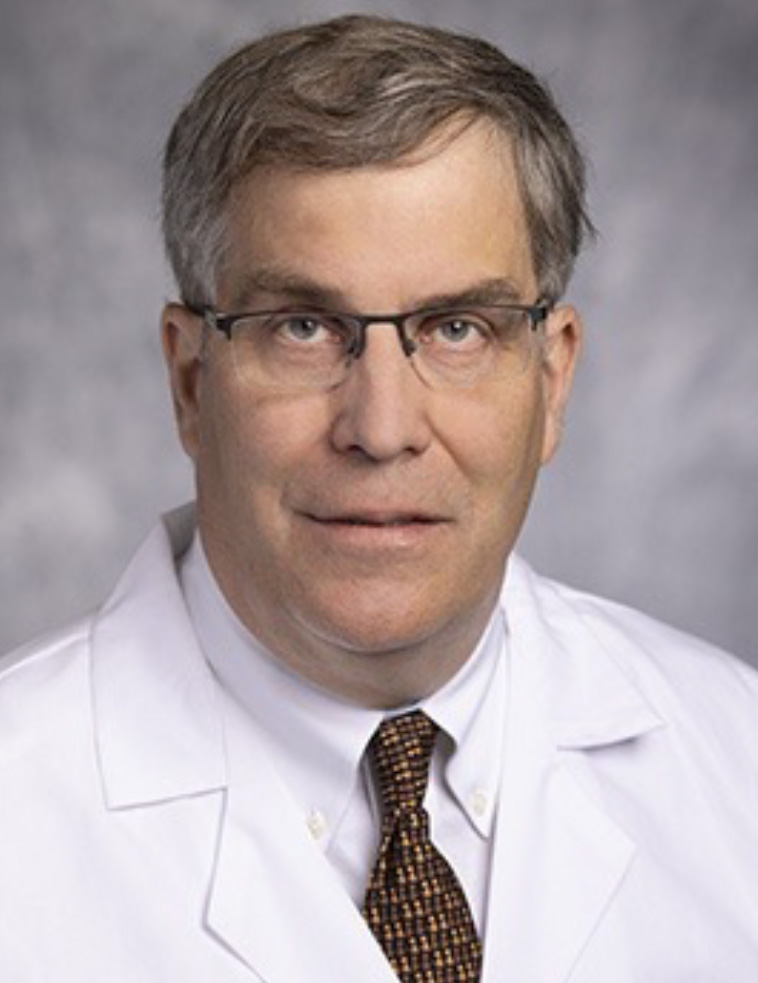
David Axelrod, MD, MBA
Professor of Surgery
University Hospitals
Cleveland, OH
Dr. David Axelrod is a Professor of Surgery and transplant surgeon specializing in kidney, liver, pancreas, and living donor transplantation at University Hospitals Cleveland Medical Center. He also serves as System Medical Director for Value Analytics, Vice Chair of the Department of Surgery, and Deputy Director of the Center for Health Services Research.
He earned his MD and MBA from Duke University, completed his General Surgery residency and Surgical Critical Care training at the University of Michigan, followed by a fellowship in Abdominal Transplant Surgery at Northwestern University.
Dr. Axelrod is an internationally recognized leader in transplantation and health services research. His clinical and research interests include liver and kidney transplantation, living donor transplantation, hepatocellular carcinoma, transplant outcomes, healthcare quality, value-based care, organ allocation, and health economics. He has authored more than 250 peer-reviewed publications and has held numerous leadership roles within the American Society of Transplant Surgeons (ASTS) and the United Network for Organ Sharing (UNOS).
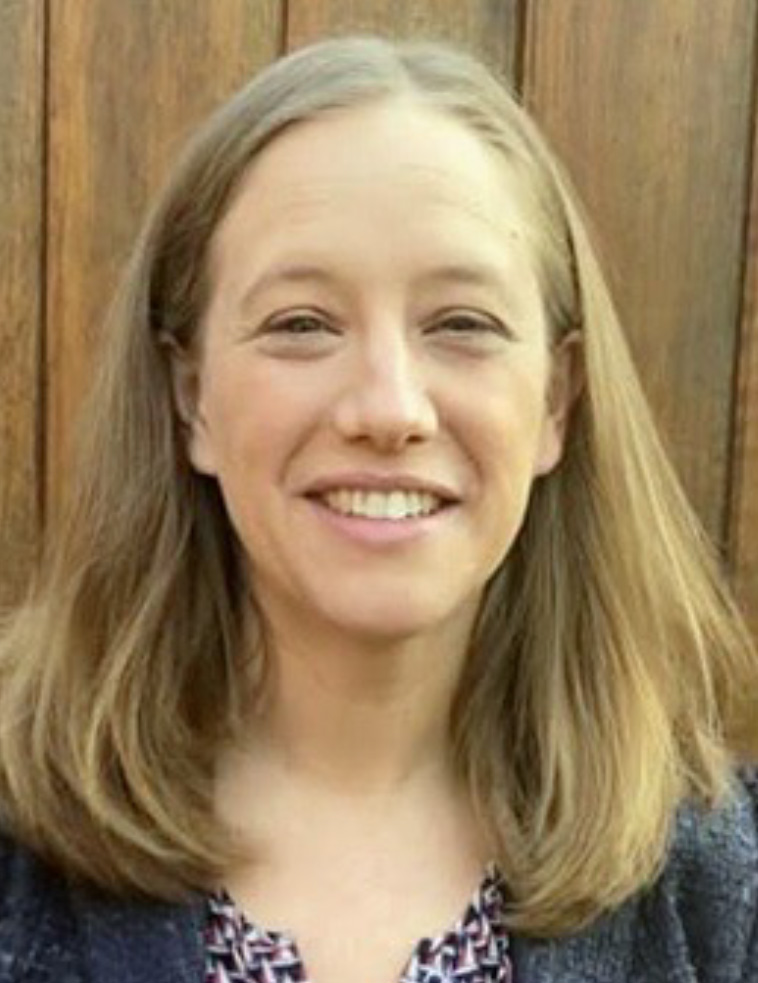
Laura Van Metre Baum, MD, MPH
Member of the Faculty of Medicine
Physician
Dana Farber Cancer Institute
Boston, MA
Dr. Laura Baum received her medical degree from the University of Pittsburgh in 2010. She subsequently completed residency in Internal Medicine at New York University in 2013 and a Chief Year at NYU in primary care in 2014. She completed fellowship in Palliative Care at Mount Sinai Hospital in 2017. Dr. Baum subsequently completed fellowship in Hematology and Oncology and a Masters in Public Health at Vanderbilt University in 2021. She was an Assistant Professor of Medicine and attending physician in Medical Oncology and Palliative Care at Yale University / Smilow Cancer Center from 2021 until 2025. She joined Dana-Farber in 2025 as a GI Medical Oncologist. Her research focuses on population health and supportive oncology with a focus on opioids in cancer care as well as mental health outcomes and patients and families with young-onset cancers, including parenting, fear of cancer recurrence, and other psychosocial outcomes.
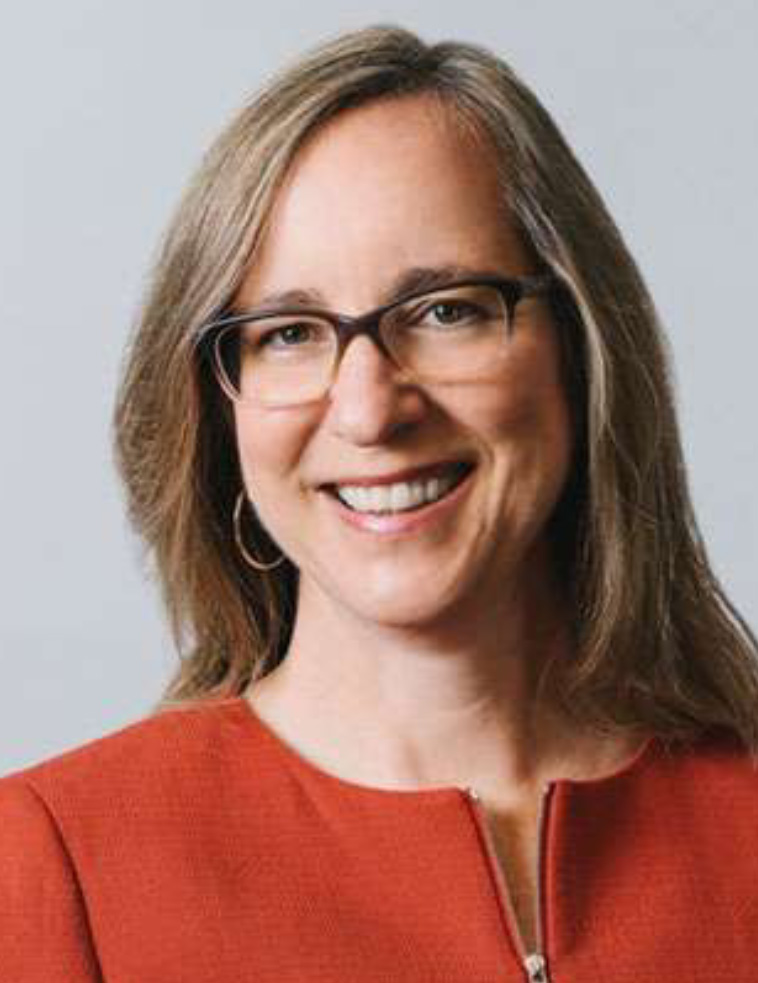
Anna Berkenblit, MD, MMSc
Chief Scientific and Medical Officer
PanCAN
Boone, IA
Dr. Anna Berkenblit is currently the Chief Scientific and Medical Officer at the Pancreatic Cancer Action Network. She brings over two decades of experience in clinical development of novel anticancer therapies in the life science industry. Most recently, she served as chief medical officer at ImmunoGen, where she led the development of ImmunoGen’s novel, wholly owned product candidates, including ElahereTM, which recently received full approval by FDA for platinum-resistant ovarian cancer. Prior to that, Dr. Berkenblit was senior vice president, clinical development at H3 Biomedicine, and vice president, head of clinical research at AVEO Oncology. She also held positions of increasing responsibility at Wyeth/Pfizer, becoming vice president, neratinib asset team leader in the Pfizer Oncology Business Unit. Over the course of her career, she has led the clinical development of oncology products spanning early testing to registration trials.
Dr. Berkenblit earned an MD from Harvard Medical School, and an MMSc in the clinical investigator training program at Harvard/MIT Health Sciences & Technology. She completed her internship and residency at Brigham and Women’s Hospital and went on to a hematology/oncology fellowship at Beth Israel Deaconess Medical Center (BIDMC). Prior to transitioning to industry, she led the Phase I oncology clinical trial program at BIDMC as part of the Dana-Farber/Harvard Cancer Center.
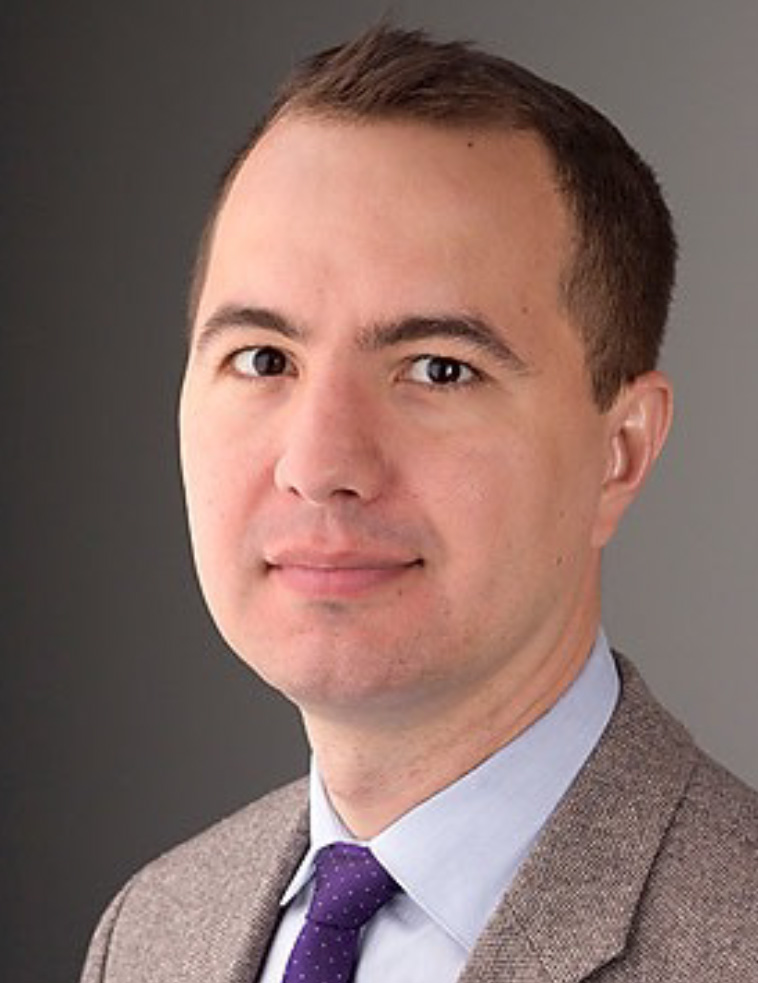
Bruno Bockorny, MD, FACP
Clinical Director, Phase 1 Oncology Program, Beth Israel Deaconess Medical Center
Gastrointestinal Oncology, Dana-Farber Cancer Institute
Assistant Professor of Medicine, Harvard Medical School
Boston, MA
Bruno Bockorny, MD, is a medical oncologist and physician-scientist serving as Clinical Director of the Phase 1 Oncology Program at Beth Israel Deaconess Medical Center (BIDMC), currently transitioning to Dana-Farber Cancer Institute (DFCI). He holds a faculty appointment as Assistant Professor of Medicine at Harvard Medical School.
Dr. Bockorny’s research program is centered on the clinical development of novel immunotherapies and targeted agents for gastrointestinal malignancies, with a particular focus on pancreatic ductal adenocarcinoma (PDAC) and other solid tumors. He leads a portfolio of first-in-human and proof-of-concept studies and serves as Principal Investigator on more than a dozen clinical trials across the Harvard Cancer Center ecosystem. Dr. Bockorny completed his fellowship training in Hematology and Oncology at BIDMC and a postdoctoral fellowship in Molecular Biology at Dana-Farber Cancer Institute.
Patrick Boland, MD
Associate Professor
Associate Program Director, GI Medical Oncology
Rutgers Cancer Institute
New Brunswick, NJ
Dr. Patrick Boland is a medical oncologist specializing in gastrointestinal malignancies, with particular expertise in colorectal, small bowel, and anal cancers. He earned his medical degree from Jefferson Medical College, now Sidney Kimmel Medical College, in 2006, completed his internal medicine residency at Boston University Medical Center in 2009, and completed his oncology fellowship at Fox Chase Cancer Center in 2013.
Dr. Boland began his career at Roswell Park Cancer Institute, where he focused on the care of patients with lower gastrointestinal cancers. He has broad expertise in the treatment of cancers throughout the gastrointestinal tract and currently serves as Associate Program Director for GI Medical Oncology.
In addition to his clinical practice, Dr. Boland is deeply committed to clinical and translational research. He has developed and conducted multiple clinical trials and remains actively involved in the NCI National Clinical Trial Network and other research consortia. His work reflects a strong dedication to advancing cancer care through research, innovation, and patient-centered treatment.
Alexander Bray, MD, PhD
Assistant Professor
The University of Alabama at Birmingham
Birmingham, AL
Dr. Alexander Bray is a clinical assistant professor in the O’Neal Cancer Center at the University of Alabama at Birmingham. He is a practicing medical oncologist who primarily cares for patients with GI malignancies such as colon, pancreatic, and liver cancer.
Dr. Bray graduated from the Medical Scientist Training Program at the University of Alabama at Birmingham, where he received a PhD in cancer biology in 2017 alongside his MD in 2019. He then completed his internship and residency in internal medicine at the Medical University of South Carolina. He completed a fellowship in hematology and oncology at the University of Michigan, where he was recognized for excellence in clinical research.
Over the course of his education and training, Dr. Bray has engaged in numerous research studies on varied topics including mitochondrial genetics, organoid models of pancreatic cancer, cancer metabolism, circulating prognostic biomarkers, and novel oncologic therapies. He is currently involved in several translational research initiatives focused on the therapeutic targeting of CLDN18.2 in biliary tract cancers and the identification of biomarkers of early metastatic recurrence in pancreatic cancer.
Adam M. Burgoyne, MD, PhD
Associate Clinical Professor of Medicine, Division of Medical Oncology
Medical Director, Infusion Services
Co-Leader, Gastrointestinal Disease Team, Moores Cancer Center
UC San Diego Health
San Diego, CA
Adam Burgoyne, MD, PhD, is a board-certified medical oncologist who specializes in diagnosing and treating primary liver cancers such as hepatocellular carcinoma (HCC). He also treats cancers of the esophagus, gallbladder, pancreas, stomach, small intestine, colon and appendix, as well as gastrointestinal stromal tumors (GIST).
Dr. Burgoyne uses many forms of therapy, including traditional chemotherapy, immunotherapy and targeted therapy, with an emphasis on personalized medicine, to offer the best possible patient outcomes. Dr. Burgoyne is the medical oncologist for UC San Diego Health’s multidisciplinary liver cancer clinic. The clinic offers patients highly specialized and coordinated care at one convenient location, ensuring easy and timely access to the best cancer doctors and the most innovative treatment approaches.
As a physician-scientist, Dr. Burgoyne also leads original research to improve survival rates among people with primary liver cancer and other cancers affecting the digestive system. In particular, he is working on developing novel drugs that inhibit multiple targets within the cancer cell with a single agent. He also studies tumor genetics and the biology of gastrointestinal stromal tumors (GIST) to facilitate personalize cancer care. His work has appeared in Journal of Translational Medicine, Molecular Cancer Therapeutics, and Cancer, among others.
Dr. Burgoyne completed a fellowship in hematology and oncology at UC San Diego School of Medicine, where he was chief fellow. He also completed a residency in internal medicine at UC San Diego School of Medicine. Dr. Burgoyne earned his medical degree and doctorate from Case Western Reserve University School of Medicine in Cleveland, Ohio. He is board-certified in internal medicine and medical oncology.
Dr. Burgoyne is a member of the American Association for Cancer Research, the American Association for the Study of Liver Diseases, the American Society of Hematology, and the American Society of Clinical Oncology. He is a member of the Alpha Omega Alpha Honor Medical Society.
Michael Cecchini, MD
Associate Professor of Medicine (Medical Oncology)
Co-Director, Colorectal Program in the Center for Gastrointestinal Cancers
Phase 1 Investigator, Yale Cancer Center
Director, GI Clinical Research Team Yale Center for GI Cancers
Yale School of Medicine
New Haven, CT
Dr. Michael Cecchini is a board-certified medical oncologist that specializes in the treatment of patients with advanced gastrointestinal (GI) cancers. His research is focused on early phase clinical trials to develop novel therapies that are biomarker driven for patients with advanced GI cancers. He is part of both the Phase 1 and GI Cancer teams at Yale and is Director of Clinical Research for the Yale Center for GI Cancers. Colorectal cancer represents a primary area of expertise within his broader GI oncology practice, with dedicated programmatic leadership as Co-Director of the Yale Colorectal Cancer Program. Furthermore, he performs translational research to better understand the relationship between DNA damage and the immune response for colorectal cancer to develop new biomarkers and treatment combinations for patients with advanced gastrointestinal cancers.
Sreenivasa R. Chandana, MD, PhD
Medical Oncologist
The Cancer & Hematology Centers
Grand Rapids, MI
Dr. Sreenivasa R. Chandana specializes in developmental cancer therapeutics, including phase I, II, and III clinical trials, with a clinical focus on upper and lower gastrointestinal malignancies. Dr. Chandana received medical training at Guntur Medical College and earned a PhD from Wayne State University School of Medicine. Dr. Chandana completed a residency in internal medicine at McLaren Regional Medical Center/Michigan State University, followed by a fellowship in hematology/oncology at Michigan State University.
William J. Chapin, MD, MSCE
Assistant Professor, Medicine (Hematology-Oncology)
Hospital of the University of Pennsylvania
Philadelphia, PA
William J. Chapin, MD, MSCE is a medical oncologist and treat patients with colorectal cancer and other gastrointestinal cancers. His research focuses on the investigation of immunotherapy combination treatments for patients with colorectal cancer with liver-predominant disease, other novel therapeutics in gastrointestinal malignaancies, the development of the evaluation of clinical biomarkers to better select the right treatments for patients, and the use of real-world data to generate hypotheses for prospective study and answer clinical questions that have not been adequately addressed in clinical trials.
Saurin Chokshi, MD
Section Chief – Clinical Practice, Assistant Professor
The University of Tennessee Health Science Center
Division of Hematology & Oncology
Memphis, TN
Saurin Chokshi, MD is a medical oncologist with a subspecialty focus on gastrointestinal malignancies. He earned his medical degree at University of Kentucky College of Medicine and did an internship in internal medicine at University of Texas Southern Medical Center. He completed a fellowship in hematology and medical oncology at Yale-New Haven Hospital, which is part of Yale School of Medicine; and participated in a clinical research training program at the National Cancer Institute, National Institutes of Health in Bethesda, Maryland.
Along with seeing patients at Regional One Health as a medical oncologist, Dr. Chokshi is an assistant professor of hematology/oncology at University of Tennessee Health Science Center. He also serves on the medical advisory board for Bayer Virtual Roundtable. In addition to seeing patients in the clinic and in the hospital, his research interests are in early and late phase cancer clinical trials. He also oversees the Cancer Center’s Clinical Trials Protocol Office.
His research has been published in numerous medical journals, including Oncology and Cancer Journal. During his career and education, he has been honored by the Society for Translational Oncology, American Association for the Advancement of Science, Arnold P. Gold Foundation and Joseph Collins Foundation. Dr. Chokshi is a member of the National Comprehensive Cancer Network panel for Management of Immunotherapy-Related Toxicity.
Eric Christenson, MD
Assistant Professor
Johns Hopkins Medicine
Baltimore, MD
Dr. Eric Christenson is an Assistant Professor in the GI Oncology program at Johns Hopkins with a strong clinical and research focus on improving the care of patients with Gastrointestinal Malignancies. Colorectal cancer (CRC) and pancreatic adenocarcinoma (PDAC) are the second and third leading causes of cancer-related death in the United States. Critical scientific breakthroughs are necessary to reverse these troubling statistics.
Post-doctoral training has provided him with a strong foundation on the development and utilization of biomarkers to guide therapeutic and other management decisions. This work included the development of novel ctDNA assays and regular participation in the Johns Hopkins Molecular Tumor board.
He has an active colorectal cancer practice and participate weekly in the rectal multidisciplinary clinic making him acutely aware of the significant clinical challenges faced by patients with this disease and inspires his commitment to aid in the development of better strategies to improve their care. His interest and clinical activity through this clinic have facilitated the development of ongoing collaborations within JHU, other institutions and industry on creating novel molecular and immunotherapy-based strategies to improve the care of patients with these cancers.
James M. Cleary, MD, PhD
Medical Oncologist, Dana-Farber Cancer Institute
Director, Clinical Research, Division of Gastrointestinal Oncology
Institute Physician
Associate Professor of Medicine, Harvard Medical School
Boston, MA
Dr. James Cleary is a medical oncologist at the Dana-Farber Cancer Institute, specializing in the treatment of gastrointestinal cancers. He is an Associate Professor of Medicine at Harvard Medical School and co-directs the Pancreas and Biliary Center, as well as Clinical Research for Gastrointestinal Oncology, at Dana-Farber. His research focuses on identifying and developing novel therapeutic approaches for pancreatic and biliary tract malignancies.
Ashton A. Connor, MD, PhD
Hepatobiliary and Pancreatic Surgery, Transplant Surgery
Assistant Professor, Academic Institute at the Department of Surgery
Houston Methodist
Houston, TX
Ashton A. Connor, MD, PhD, serves as Assistant Professor of Academic Institute at the Department of Surgery. He earned his MD and PhD in genomic data science at the University of Toronto, where he also completed his general surgery residency. Following this, he completed a surgical fellowship in abdominal transplantation surgery at Duke University. Dr. Connor’s research focuses on applying data science and genomics to oncology and immunology. Dr. Connor envisions a future where data science and tumor molecular profiling are deeply integrated into liver and pancreatic cancer care within the Houston Methodist Department of Surgery.
Jashodeep Datta, MD, FACS, FSSO
The DiMare Family Endowed Chair in Immunotherapy
Associate Professor of Surgery
University of Miami Miller School of Medicine
Assistant Director, Transdisciplinary Research
Co-Leader, Gastrointestinal Oncology Service Line
Sylvester Comprehensive Cancer Center
Associate Director, Translational Research |
Sylvester Pancreatic Cancer Research Institute
Miami, FL
Dr. Jashodeep Datta is the DiMare Family Endowed Chair in Immunotherapy and an Associate Professor of Surgery at the University of Miami Miller School of Medicine, where he specializes in complex hepatobiliary and pancreatic surgical oncology. He also serves as Co-Director of the Liver-Directed Therapies Program at the NCI-designated Sylvester Comprehensive Cancer Center.
Dr. Datta leads a translational immuno-oncology research program funded by the NIH and Department of Defense, with a focus on myeloid immunobiology, tumor-stromal-immune crosstalk, and mechanisms of therapeutic resistance in pancreatic cancer. His laboratory develops innovative immunotherapy strategies targeting the suppressive myeloid compartment to improve outcomes in this challenging disease.
In addition to his research, Dr. Datta holds pivotal leadership roles at Sylvester: he is Co-Leader of the Gastrointestinal Oncology Service Line, responsible for advancing clinical care standards and overseeing the institution’s portfolio of novel investigator-initiated and industry-sponsored trials for patients with GI cancers. He also serves as Assistant Director for Transdisciplinary Research, where he fosters collaborative science across the broader University of Miami ecosystem.
Dr. Datta’s contributions have been recognized with numerous honors, including the Young Physician-Scientist Award from the American Society of Clinical Investigation and the Joan and Julius Jacobson Promising Investigator Award from the American College of Surgeons.
Channing J. Der, PhD
Sarah Graham Kenan Distinguished Professor
Department of Pharmacology
UNC Lineberger Comprehensive Cancer Center and Member
Curriculum in Genetics and Molecular Biology
The University of North Carolina at Chapel Hill
Chapel Hill, NC
Dr. Channing J. Der is Sarah Graham Kenan Distinguished Professor at the University of North Carolina at Chapel Hill. He received his PhD from the University of California, Irvine and completed his postdoctoral studies at Harvard Medical School and the Dana-Farber Cancer Institute. Since his initial discovery of RAS oncogenes in human cancer in 1982, his research has centered on the study of RAS oncoproteins in cancer. His research has been funded by grants from the National Cancer Institute (NCI), Department of Defense, Lustgarten Foundation, the Pancreatic Cancer Action Network, the American Cancer Society and the American Association of Cancer Research (AACR). He is a member of the NCI RAS Working Group and he served previously on the NCI Board of Scientific Counselors. He is currently a member of the Scientific and Medical Advisory Board of the Pancreatic Cancer Action Network and previously on the Scientific Advisory Board of the Lustgarten Foundation for Pancreatic Cancer Research. He has served on the scientific advisory board and as a consultant for numerous biotech and pharmaceutical companies developing inhibitors of RAS and RAS effector signaling. His honors include Fellow of the American Association for the Advancement of Science (AAAS), the recipient of an NCI Outstanding Investigator Award, the Battle Distinguished Cancer Research Award, the Mentorship Award for Lifetime Achievement, the University of California, Irvine Distinguished Alumnus Award, and the Einstein Berlin Institute of Health Visiting Fellow Award.
Renumathy Dhanasekaran, MD, PhD
Assistant Professor, Medicine – Gastroenterology & Hepatology
Stanford University
Stanford, CA
Renumathy Dhanasekaran, MD, PhD, is a physician–scientist whose work integrates clinical care, molecular biology, and translational research to advance the understanding and treatment of liver cancer. She completed Gastroenterology fellowship at the Mayo Clinic, Rochester, followed by Transplant Hepatology fellowship and a PhD in Cancer Biology at Stanford University.
At Stanford, her independent research program centered on the immunobiology of HCC. Her laboratory uses spatial and single-cell technologies, patient-derived tissues, and immunocompetent mouse models to identify biomarkers of progression and response, dissect mechanisms of resistance to therapies, and develop molecularly informed therapeutic strategies. Dr. Dhanasekaran’s work has been published widely and supported by the NIH/NCI, AASLD, ACG, ALF, Cancer League, Doris Duke Foundation, and others. She is the recipient of multiple honors including the NCI R37 MERIT Award, the Laure Aurelian Research Endowment, and the McCormick Faculty Award.
Clinically, Dr. Dhanasekaran focuses on liver tumors, where she leads a dedicated liver cancer clinic that cares for patients with hepatocellular carcinoma (HCC) and related liver masses. Her clinical program strives to bring cutting-edge diagnostics and emerging therapeutic innovations to the bedside, expand access to curative options such as liver resection and transplantation, and provide timely entry into clinical trials for eligible patients. She is committed to delivering rapid, coordinated, multidisciplinary care while maintaining a deeply compassionate, patient-centered approach.
Dr. Dhanasekaran’s long-term goal is to improve clinical outcomes for patients with liver cancer through personalized care and translational research.

Lukas Edward Dow, PhD
Professor of Biochemistry in Medicine
Weill Cornell Medical College
New York, NY
Lukas Edward Dow, PhD, is Professor of Biochemistry in Medicine at Weill Cornell Medical College. He earned his PhD from the University of Melbourne and completed postdoctoral training at Memorial Sloan Kettering Cancer Center.
The Dow Laboratory investigates the initiation, progression, and treatment response of colorectal, pancreatic, and lung cancers using in vivo animal models and ex vivo organotypic culture systems. His group has pioneered next-generation technologies for cancer modelling, including regulated microRNA-based shRNAs, CRISPR genome editing, and optimized base-editing tools. These platforms are used to develop genetically tailored preclinical models that reflect alterations commonly observed in human cancers and to study how genetic context and environmental factors, including inflammation, influence tumour development and therapeutic response. By identifying critical drivers of cancer, the laboratory aims to develop more effective and personalized treatment strategies.

Richard Dunne, MD, MS
Associate Professor, Department of Medicine, Hematology/Oncology (SMD)
University of Rochester Medicine
Rochester, NY
Richard Dunne, MD, MS, is an Associate Professor of Medicine in Hematology/Oncology at the University of Rochester Medicine. He earned his MD from SUNY Downstate Health Sciences University College of Medicine in 2009 and his MS from the University of Rochester in 2021. He specializes in cancer care with a research focus on pancreatobiliary cancers, as well as cancer-related weight loss and muscle wasting. Driven by a commitment to improving the lives of patients with cancer, Dr. Dunne combines compassionate clinical care with research aimed at advancing treatment and quality of life. Outside of medicine, he enjoys sports, travel, and music, interests he often shares with his patients.
Marios Giannakis, MD, PhD
Associate Professor of Medicine
Harvard Medical School
Associate Member
Broad Institute of MIT and Harvard
Physician
Dana-Farber Cancer Institute
Boston, MA
Dr. Marios Giannakis received his Honors Bachelor of Science degree from the University of Toronto and his M.D./Ph.D. in Molecular Genetics and Genomics at Washington University School of Medicine in Saint Louis. He was a medical resident at Brigham and Women’s Hospital in Boston, a postdoctoral researcher at the Broad Institute of MIT and Harvard and hematology-oncology fellow at the Dana-Farber Cancer Institute
Dr. Giannakis is a physician-scientist at the Dana-Farber Cancer Institute, Associate Professor of Medicine at Harvard Medical School and Associate Member at the Broad Institute of MIT and Harvard. Dr. Giannakis has an active clinic caring for patients with gastrointestinal cancers and his laboratory studies the genomics, immunogenomics, molecular epidemiology and tumor microenvironment of colorectal cancer using patient-derived biospecimens and pre-clinical models towards novel preventive and therapeutic approaches for patients with this disease.
Sanjay Goel, MD, MS, FASCO
Professor of Medicine
Director, Phase I Therapeutics
Co-Leader, Clinical Investigation and Precision Therapeutics Program
Rutgers Cancer Institute
New Brunswick, NJ
Sanjay Goel, MD, MS, FASCO, is an attending physician and a Professor of Medicine at Robert Wood Johnson Medical School. He serves as the Director of Phase I Therapeutics at Rutgers Cancer Institute. He has an interest in drug development of anti-cancer agents, and biomarkers of drug response, particularly in solid tumors and colorectal cancer. His work also includes outcomes of health in minority patients and health disparities. Dr. Goel has been the author or co-author on over 150 research publications, and owns a patent in EGFR targeted therapy.
He has been the recipient of the Advanced Clinical Research Award (ACRA) in colorectal cancer by the Conquer Cancer Foundation (CCF), of the American Society of Clinical Oncology (ASCO), and has been funded by the National Institutes of Health. He is active ASCO volunteer currently serving on the ASCO SEP Item Writing Task Force. He has also served as the track leader of the Scientific Program Committee in the “Developmental Therapeutics and Translational Research – Immunotherapy” track, of ASCO. He has been a grant reviewer on several NIH study sections and on the ASCO CCF Grant Review Committee He has been an invited speaker at several national and international conferences.
Lipika Goyal, MD
Associate Professor
Stanford Medicine
Stanford, CA
Dr. Lipika Goyal is the Director of Gastrointestinal Oncology in the Stanford Cancer Institute and an Associate Professor in the Department of Medicine in the Stanford School of Medicine.
Dr. Goyal completed her B.A. in the Biological Basis of Behavior at the University of Pennsylvania and then with the support of a Rhodes Scholarship, pursued a Master of Philosophy in Development Studies at the University of Oxford. She then pursued medical training at Harvard Medical School, the Brigham and Woman’s Hospital Internal Medicine Residency, and the Dana Farber/Harvard Cancer Center Hematology/Oncology Fellowship for her medical training. In 2013, she joined the faculty of the MGH Cancer Center as a medical oncologist in the Gastrointestinal Oncology group and later joined the Termeer Center for Target Therapy to pursue early phase drug development. In February 2023, she joined the faculty at Stanford.
Dr. Goyal was awarded the American Cancer Society Researcher of the Year Award in 2022 for her work on FGFR resistance in cholangiocarcinoma. In collaboration with a team of researchers, she is studying mechanisms of intrinsic and acquired resistance to FGFR inhibitors and novel approaches to delaying and overcoming resistance. Her clinical and translational research efforts broadly focus on the development of effective biomarkers and therapies for cholangiocarcinoma and hepatocellular carcinoma, and she serves as the principle investigator for numerous clinical trials to provide access to novel therapeutics for her patients.
She has served on the Hepatobiliary Cancers Panel of the National Comprehensive Cancer Network, the American Society of Clinical Oncology Education Committee, and the Steering Committee for National Cancer Institute Liver Cancer Moonshot Program. Her research is funded by grants from the National Institutes of Health, American Cancer Society, US Department of Defense, and the Cholangiocarcinoma Foundation.
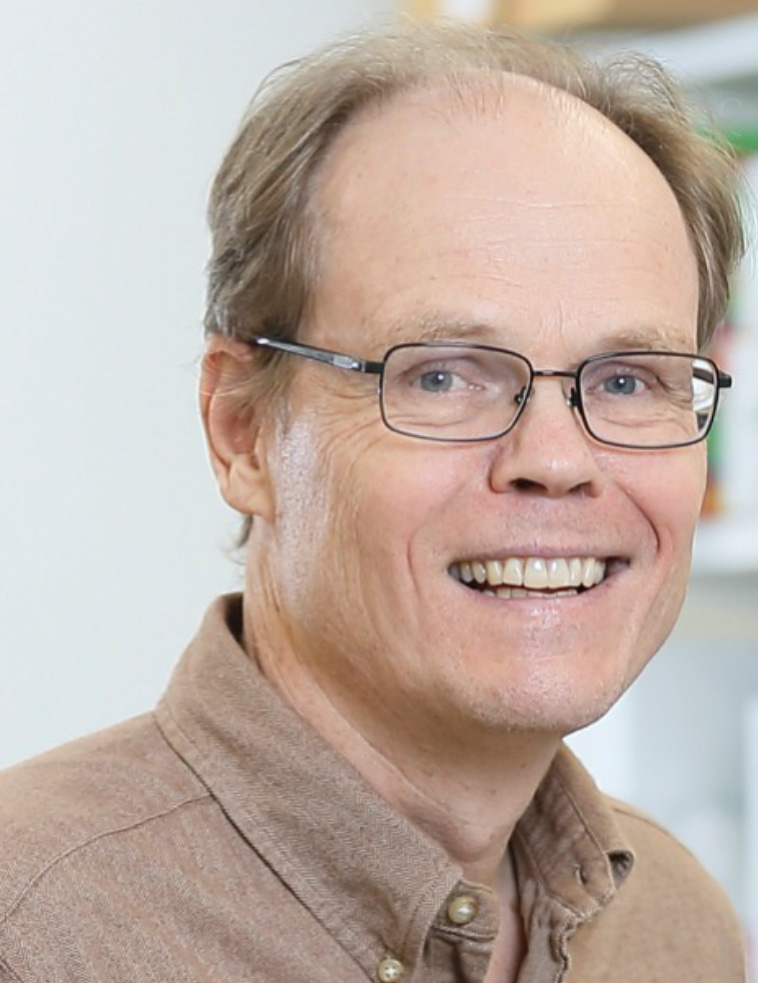
Tim F. Greten, MD
CCR Deputy Director
Deputy Chief, Thoracic and GI Malignancies Branch
Senior Investigator
Co-Director, NCI CCR Liver Cancer Program
Center for Cancer Research
National Cancer Institute, NIH
Bethesda, MD
Tim F. Greten, M.D., received his medical training at the Christian Albrechts University in Kiel, Germany. He did his internship in Munich followed by a 3-year postdoctoral fellowship at the Johns Hopkins University (Baltimore, Maryland), where he initiated his work in the field of tumor immunology. In 1999, Dr. Greten returned to Hannover Medical School, where he finished his training in Internal Medicine (2003), Medical Oncology (2004) and Gastroenterology (2007).
Dr. Greten is a physician-scientist who uses his medical expertise in Gastroenterology, Hepatology and Medical Oncology along with his research expertise in tumor immunology to develop novel treatments for patients with cancer. He heads a research team to study the tumor microenvironment in the liver in the context of Hepatocellular Carcinoma, Cholangiocarcinoma, and liver metastasis and studies how exogenous factors such as diet and the gut microbiome may affect immune responses in the liver. He also directs the GI Medical Oncology clinical team, that conducts clinical trials in patients with GI cancers. He and his team cover the entire research spectrum from basic tumor immunology and use of complex murine cancer models to the development and evaluation of new immunotherapies (including CAR T cells) for patients with gastrointestinal cancers. He conducts investigator-initiated first-in-human trials, phase I and II trials and has been one of the first investigators to test immune checkpoint inhibitors in patients with Hepatocellular carcinoma and Cholangiocarcinoma either alone or in combination with locoregional therapies.
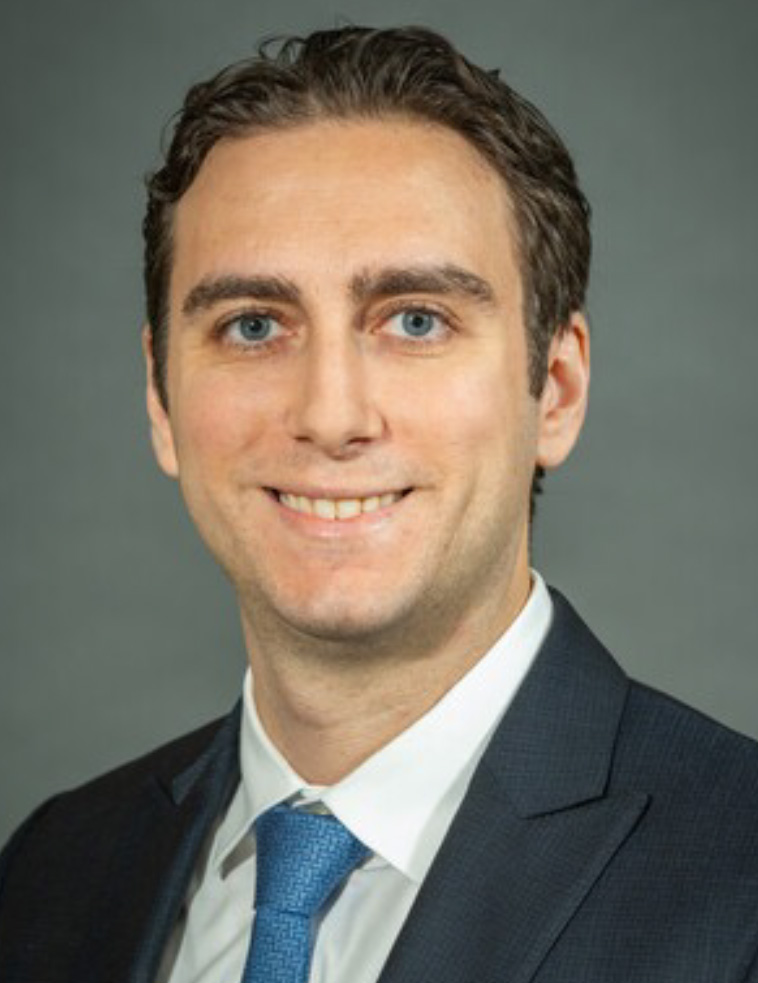
Nicholas J. Hornstein, MD, PhD
Assistant Professor
Northwell Health Cancer Institute
New York, NY
Nicholas Hornstein, MD, PhD, is a gastrointestinal medical oncologist and Assistant Professor at Northwell Health Cancer Institute. He specializes in colorectal cancer and liver metastases, leading clinical and translational research efforts to advance patient care. He has developed investigator-initiated trials, helped establish a hepatic artery infusion program, and collaborates with Cold Spring Harbor Laboratory on next-generation sequencing and biomarker discovery. Dr. Hornstein is the founder of TheGutOncLab, a collaborative platform focused on innovation in GI oncology. His work integrates AI-driven data platforms, including LUCID, to unlock insights from clinical data and improve trial design, precision medicine, and outcomes for patients.
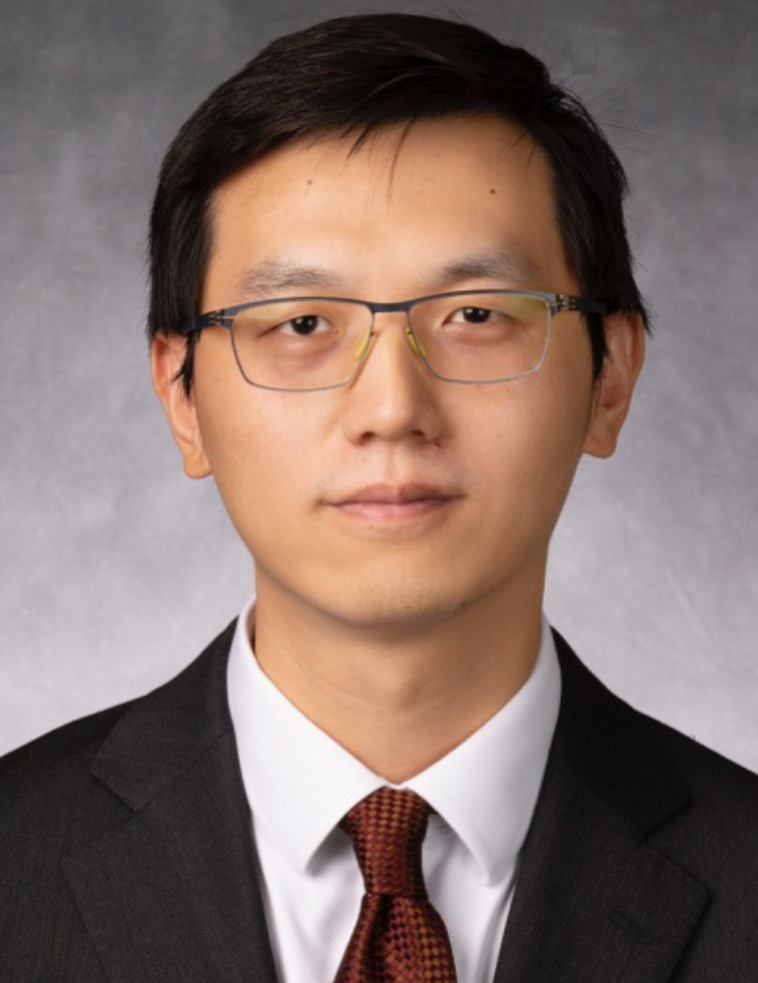
Z. Ian Hu, MD, PhD
Assistant Professor
The University of Texas MD Anderson Cancer Center
Houston, TX
Dr. Z. Ian Hu, MD, PhD, is an Assistant Professor in the Department of Gastrointestinal Medical Oncology at The University of Texas MD Anderson Cancer Center. He is a physician-scientist dedicated to the care and study of gastrointestinal cancers.
After receiving his Bachelor of Science in Biology from Brown University, Dr. Hu earned both his Doctor of Medicine and Doctor of Philosophy degrees from Stony Brook University, where he built a strong foundation in both clinical medicine and scientific research. He went on to complete his internal medicine residency at Mount Sinai St. Luke’s West in New York, followed by a fellowship in medical oncology at the National Cancer Institute, one of the nation’s leading centers for cancer research and treatment.
Board-certified in internal medicine and medical oncology, Dr. Hu holds medical licenses in multiple states, reflecting a broad clinical scope and commitment to patient care. His clinical work and research focus are on hepatobiliary and colorectal cancers.
He is part of MD Anderson’s multidisciplinary effort to advance cancer treatment through integrated patient care, research, and education. Dr. Hu combines rigorous academic training with specialized oncology expertise, contributing to MD Anderson’s mission to improve outcomes for patients with complex cancers through innovation and evidence-based care, and ultimately, make cancer history.
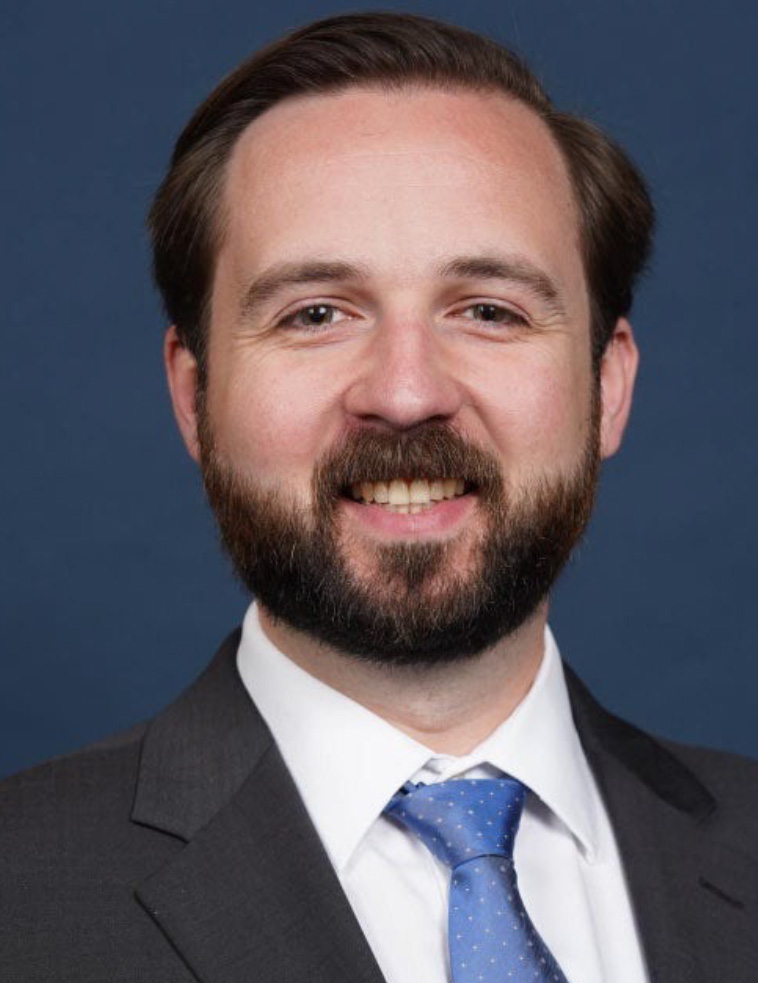
Michael D. Iglesia, MD, PhD
Assistant Professor
The University of North Carolina at Chapel Hill
Chapel Hill, NC
Dr. Michael Iglesia is an assistant professor in the Division of Oncology at the University of North Carolina at Chapel Hill, with a clinical focus in gastrointestinal malignancies and research centered in genomics and in clinical trials to improve the care of patients with gastrointestinal cancers. His primary focus is the care of patients with colorectal cancer, particularly patients with early-onset colorectal cancer. He interface with translational research partners to perform timely, clinically informed pre-clinical research, and to subsequently design and implement clinical trials to better the care of patients with gastrointestinal and pancreatic/hepatobiliary cancers.

William R. Jarnagin, MD, FACS
Hepatopancreatobiliary Surgeon
Chief, Hepatobiliary Service
Leslie Blumgart Chair in Surgery
Memorial Sloan-Kettering Cancer Center
New York, NY
William R. Jarnagin, MD, FACS, is Chief of the Hepatobiliary Service at Memorial Sloan Kettering Cancer Center and holds the Leslie Blumgart Chair in Surgery. He is a hepatopancreatobiliary surgeon with specialized expertise in surgery of the liver, pancreas, gallbladder, and bile ducts. In his role at MSK, Dr. Jarnagin oversees a team of board-certified surgeons who perform approximately 1,000 operations annually for hepatopancreatobiliary-related diseases, including pancreatic and liver resections, as well as palliative, diagnostic, and non-therapeutic procedures. His clinical approach emphasizes multidisciplinary collaboration to develop individualized treatment plans for each patient.
Dr. Jarnagin received his MD from Rush Medical College and completed a residency in general surgery at the University of California, San Francisco. He subsequently completed a fellowship in hepatobiliary surgery at Memorial Sloan Kettering Cancer Center and is board certified in surgery.
Jingran Ji, MD
Clinical Instructor, Department of Medicine, Division of Hematology/Oncology
Member, Cancer Control and Survivorship
UCLA Health
Los Angeles, CA
Jingran Ji, MD, is a Clinical Instructor in the Department of Medicine, Division of Hematology/Oncology, at UCLA Health and a member of the Cancer Control and Survivorship Program. Dr. Ji earned his medical degree from Northwestern University Feinberg School of Medicine in Chicago. He completed his residency in Internal Medicine at the University of California, Davis, followed by a fellowship in Hematology/Oncology at City of Hope National Medical Center.
Dr. Ji’s research goal is to develop clinically meaningful ways to improve functional outcomes among adults who experience the negative accelerated aging effects of cancer and its treatments. To achieve this goal, he is interested in first understanding the underlying biological mechanisms that drive the observed accelerated aging effects of chemotherapy. One such mechanism is cellular senescence, a process where normal cells undergo terminal growth arrest in response to repeated stressors such as DNA damage. Cellular senescence is a normal process of human aging that appears to be amplified by cancer treatment. Studies are ongoing to determine how to best measure senescence burden in the body, how senescence burden is related to functional outcomes, and how they can intervene to reduce senescence burden.
Daniel Alexander King, MD, PhD
Assistant Professor
Institute of Cancer Research
Feinstein Institutes for Medical Research
Assistant Professor, Department of Internal Medicine
Donald and Barbara Zucker School of Medicine at Hofstra/Northwell
Lake Success, NY
Dr. Daniel King is a gastrointestinal medical oncologist and researcher specializing in pancreatic cancer based at Northwell Health and Cold Spring Harbor Laboratory. At Northwell Health, he serves as Director of Research and Development for the Northwell Health Cancer Institute’s Center for Genomic Medicine. He leads a research group dedicated to the study of pancreatic cancer. He was the recipient of the Conquer Cancer Career Development Award for his project exploring the use of AI tools to navigate patients with early pancreatic cancer to care and onto research studies. He was also the recipient of the Robert A. Winn Career Development Award (Winn CDA) for his work studying methods to augment enrollment diversity onto clinical trials. His ongoing work in early detection and translational therapeutics are additional active areas of his research portfolio.
Scott Kopetz, MD, PhD, FACP
Professor
Department of Gastrointestinal (GI) Medical Oncology
Division of Cancer Medicine
The University of Texas MD Anderson Cancer Center
Houston, TX
Dr. Scott Kopetz joined MD Anderson Cancer Center and is Professor and Deputy Chair in the Department of Gastrointestinal Medical Oncology. In the Cancer Medicine division, he is Co-Director of Cancer Biology. Within the institution, he is contact PI of our Gastrointestinal SPORE, leader of our CCSG GI Program, a leader of our Colorectal Cancer Moon Shot, serving as the Medical Director of our TRACTION platform, and the Associate Vice President for Translational Integration.
Dr. Kopetz is board-certified in internal medicine and in medical oncology. He has authored over 400 peer-reviewed articles in respected scientific journals such as New England Journal of Medicine, Journal of Clinical Oncology, Lancet, Lancet Oncology, JAMA, Cancer Discovery, and Nature Medicine. He is the principal investigator of several practice changing clinical trials, including trials for patients with BRAF mutated colorectal cancer that led to new standards of care. Dr. Kopetz leads the MD Anderson Gastrointestinal Cancer Center Program and is chair of the NCI Colon Cancer Task Force.
Kelsey Lau-Min, MD, MSCE
Assistant Professor of Medicine
Harvard Medical School
Medical Oncologist
Massachusetts General Hospital
Boston, MA
Kelsey Lau-Min, MD, MSCE is a medical oncologist at the Mass General Brigham Cancer Institute, an investigator in the Cancer Outcomes Research and Education Program, and an Assistant Professor of Medicine at Harvard Medical School. Dr. Lau-Min specializes in caring for patients with gastrointestinal cancers with a focus on hepatocellular carcinoma, and she leads the Mass General Brigham multidisciplinary liver tumor board. She also conducts health services research focused on developing and evaluating novel interventions to improve care delivery and outcomes for patients with gastrointestinal cancers.
Valerie Lee, MD
Assistant Professor
Johns Hopkins School of Medicine
Baltimore, MD
Valerie Lee, M.D., is a medical oncologist with the Johns Hopkins Sidney Kimmel Cancer Center at Sibley Memorial Hospital, as well as an instructor of medical oncology at Johns Hopkins University School of Medicine.
Dr. Lee has an expertise in management of gastrointestinal malignancies, including gastric, colon and pancreatobiliary cancers.
Dr. Lee earned her medical degree from the Columbia University College of Physicians and Surgeons. She completed a residency in internal medicine at New York Presbyterian Hospital, followed by a fellowship in medical oncology at the Johns Hopkins University School of Medicine. Dr. Lee is currently earning her Certificate in Science of Clinical Investigation at Johns Hopkins Bloomberg School of Public Health.
Dr. Lee is a member of the American Society of Clinical Oncology.
Dr. Lee manages multiple early phase trials and her work has been published in peer-reviewed journals. Her research interests include clinical trials for patients with gastrointestinal malignancies, and combining traditional chemotherapies with immunotherapy to improve survival and quality of life for patients. She has received a Cancer Center Training grant for research on molecular targets for cancer detection and treatment and has spoken at numerous conferences on updates in gastrointestinal malignancies.
Mark Lewis, MD
Director of Gastrointestinal Oncology
Intermountain Healthcare
Murray, UT
Dr. Mark A. Lewis received his medical degree, completed his internal medicine residency, and served as chief resident at Baylor College of Medicine in Houston, Texas. After completing a hematology/oncology fellowship at the Mayo Clinic in Rochester, Minnesota, where he served as chief fellow, he returned to Houston to work at the MD Anderson Cancer Center for four years, with a dual appointment in general & gastrointestinal medical oncology, before assuming the directorship of gastrointestinal oncology at Intermountain Health in 2016. He is active on social media (Twitter/X @marklewismd).
Gulam A. Manji, MD, PhD
Associate Professor of Medicine
Columbia University Medical Center
Section Chief of Gastrointestinal Malignancies
Co-Director of The Pancreas Center
Co-Leader of Precision Oncology and Systems Biology
Herbert Irving Comprehensive Cancer Center
New York, NY
Dr. Gulam Manji is an Associate Professor of Medicine at Columbia University Medical Center, Section Chief of Gastrointestinal Malignancies, co-Director of the Pancreas Center, and co-Leader of Precision Oncology and Systems Biology group within the Herbert Irving Comprehensive Cancer Center. He specializes in the treatment of gastrointestinal malignancies and is the Principal Investigator of multiple bench-to-bedside investigator-initiated clinical trials. He has translated five concepts to the clinic, one of which has progressed from the laboratory to a randomized multicenter phase 2 clinical trial in pancreas cancer. His laboratory focus is to identify novel therapies using patient derived tumor organoids. He is the recipient of multiple grants including the Young Investigator Award from the American Society of Clinical Oncology in 2015, R01, and U01.
Rutika Mehta, MD, MPH
Associate Professor
NYU Langone Health
New York, NY
Rutika Mehta MD, MPH is an Associate Professor at NYU Langone Health. Dr. Mehta received her medical degree at Topiwala National Medical College in Mumbai, India. She subsequently completed a Masters in Public Health with a focus on Epidemiology at Indiana University, Indianapolis. She spent three years as a Research Fellow in the Department of Pathology at Indiana University School of Medicine. She then completed her training in Internal Medicine at Johns Hopkins University/Sinai Hospital of Baltimore followed by a fellowship in Hematology/Oncology at Roswell Park Comprehensive Cancer Institute in Buffalo, New York.
After completing her hematology and oncology training, Dr. Mehta joined the gastrointestinal (GI) oncology department at the H. Lee Moffitt Cancer Center in Tampa, Florida. At Moffit Cancer Center, Dr. Mehta worked with many renowned leaders in the field and was instrumental in building the clinical and research program for upper GI malignancies. She was selected as a Castle Connolly “Top Doctor” for three straight years in the Tampa Bay area (2022-2024). Additionally, Dr. Mehta has had experience leading several clinical trials for GI cancer patients and has developed some novel trials herself. She is an active member of the American Society of Clinical Oncology (ASCO) and serves as a member of the National Cancer Institute (NCI) Taskforce for Esophagogastric Cancers. Dr. Mehta was recruited to Weill Cornell Medicine (WCM) in 2024. Her clinical and research efforts will focus on all GI cancers with a particular emphasis on developing clinical trials utilizing novel treatment options and advancing the field through precision medicine.
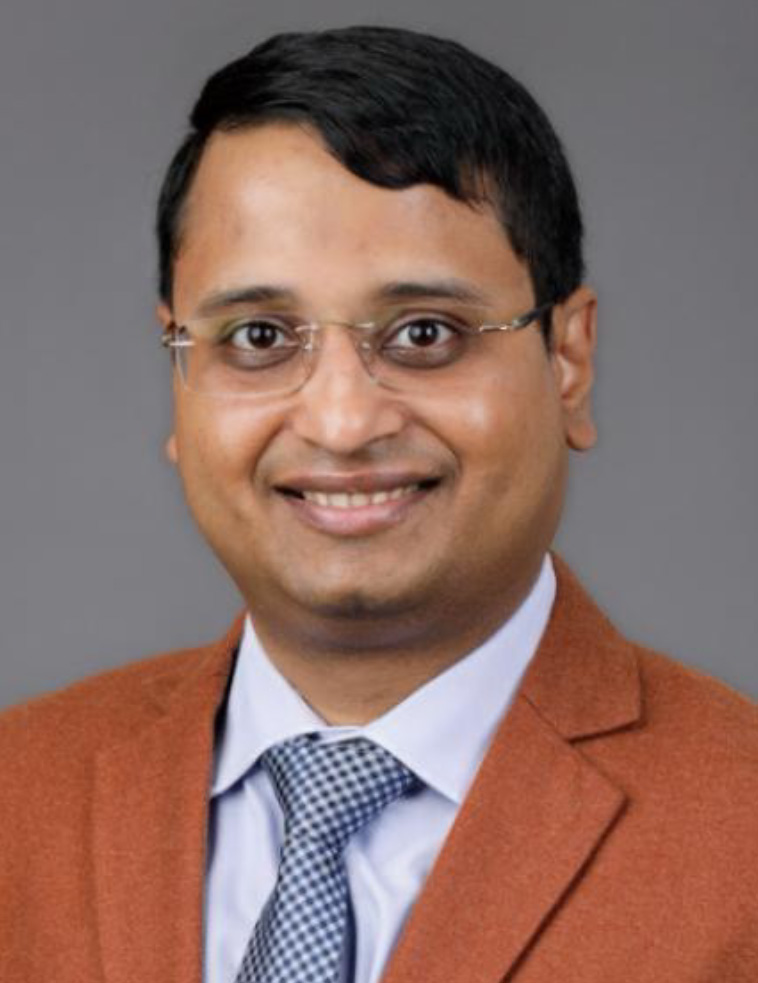
Sarbajit Mukherjee, MD, MS
Chief of GI Medical Oncology
Miami Cancer Institute | Baptist Health South Florida
Miami, FL
Dr. Sarbajit Mukherjee is the Chief of Gastrointestinal Medical Oncology at Miami Cancer Institute in Miami,FL. Dr. Mukherjee’s current work focuses on novel clinical trials in GI malignancies. He has conducted multiple investigator-initiated clinical trials as a principal investigator. Dr. Mukherjee has received peer-reviewed grants from the Department of Defense, the National Comprehensive Cancer Network (NCCN), and the North American Neuroendocrine Tumor Society. He has presented at many national and international conferences and has been published in high-impact journals like Nature Medicine and the Journal of Clinical Oncology. He has served on grant review panels through the NIH (National Institutes of Health) and the US FDA.
Dr. Mukherjee co-chairs the GI clinical trial working group at the Hoosier Cancer Research Network. He also serves as a board member at the Esophageal Cancer Action Network. Dr. Mukherjee served the American Society of Clinical Oncology (ASCO) as a member of the Trainee Council Working Group, the Clinical Practice Guidelines Committee, and the Professional Development Committee. He also served on multiple guidelines panels for ASCO, NCCN, and the International Society of the Diseases of the Esophagus. He has received many awards, including membership in Alpha Omega Alpha Medical Honor Society and the Gold Humanism Honor Society. Dr. Mukherjee is invested in teaching and mentoring his junior colleagues and organizing and moderating educational and scientific meetings.
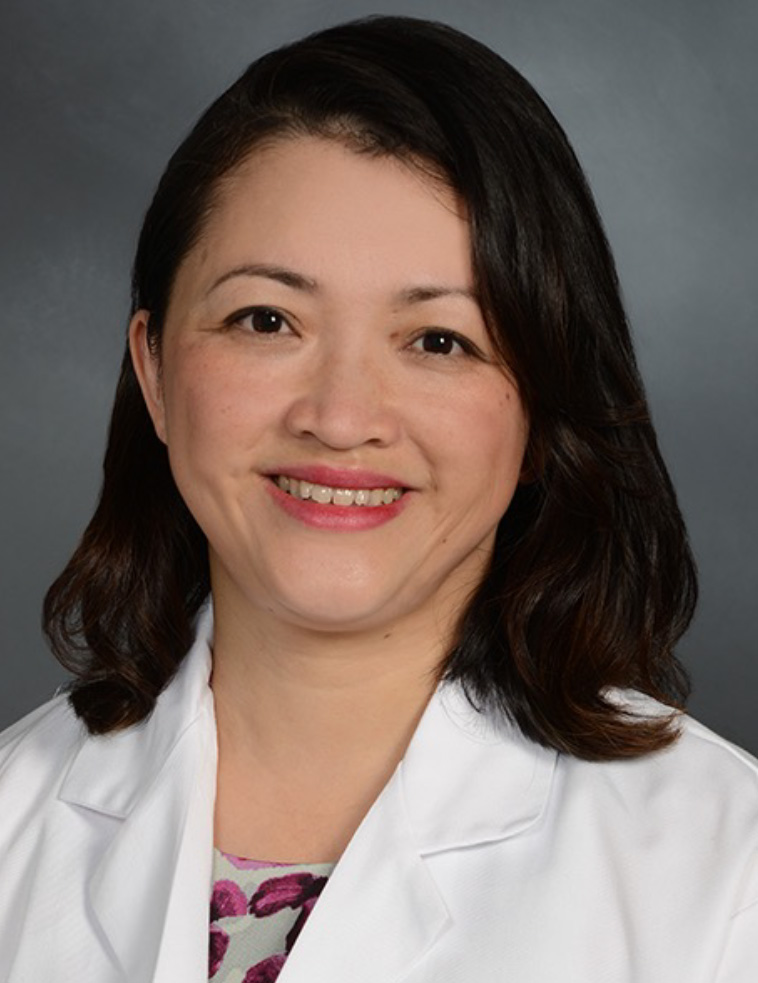
Alana T. H. Nguyen, MD, PhD
Assistant Attending Physician
NewYork-Presbyterian Hospital
Assistant Professor of Medicine
Weill Cornell Medical College, Cornell University
New York, NY
Alana Nguyen, MD PhD, is an Assistant Professor in the Division of Hematology and Oncology at Weill Cornell Medicine/NewYork-Presbyterian Hospital.
Dr. Nguyen received her MD from Boston University in Boston, Massachusetts and herPhD from McGill University in Montreal, Canada. She went on to complete her postgraduate medical training in Internal Medicine at the Mount Sinai Hospital in New York City. After her residency, she entered fellowship training in Medical Oncology at Columbia University/New York-Presbyterian Hospital in the Physician-Scientist Pathway.
Dr. Nguyen sees patients with malignancies of the digestive tract in her clinical practice.
In addition, her research focuses on drug development based on biological understanding of therapy resistance. She received a Women Who Conquer Cancer Award from the American Society for Clinical Oncology and its Conquer Cancer Foundation for her work on a 3-dimensional culture model of patient tumors to predict for patients’ response to chemotherapy and immunotherapy. Using this innovative model, her current research will focus on understanding the tumor microenvironment of pancreatic cancer, and how this tumor microenvironment participates in drug evasion.
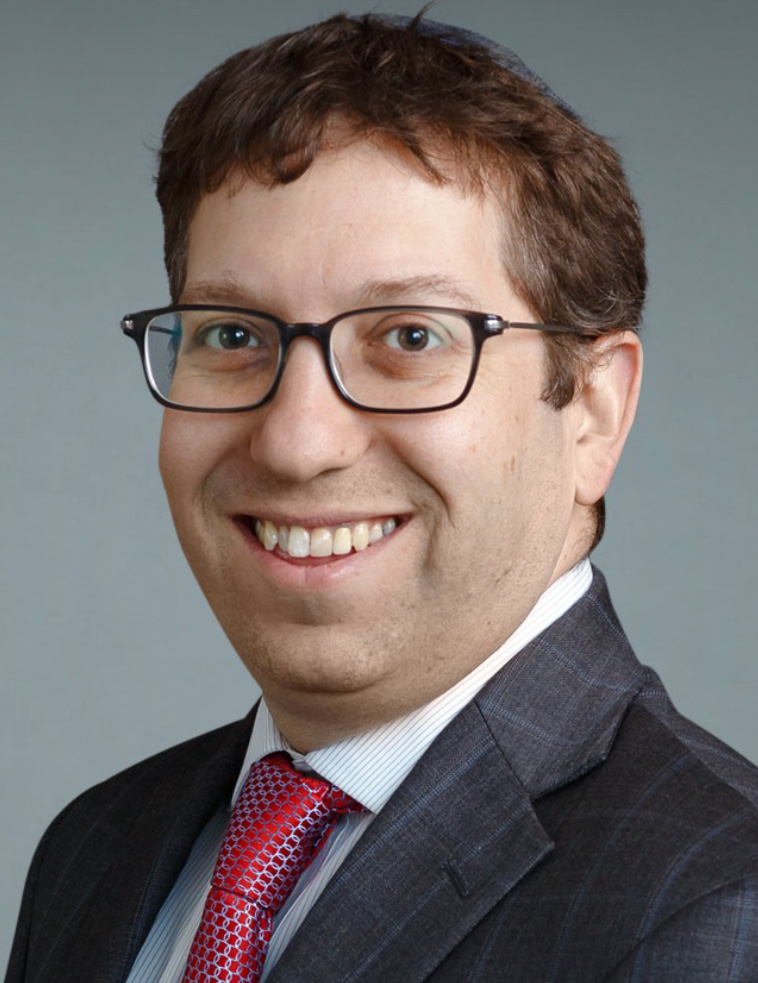
Paul E. Oberstein, MD
Associate Professor
Service Chief, Gastrointestinal Medical Oncology Program
Assistant Director, Pancreatic Cancer Center
NYU Langone Health
New York, NY
Dr. Paul Oberstein focuses on cancers of the gastrointestinal tract, he treats people with various types of cancer, including stomach, pancreatic, colorectal, bile duct, and liver cancers. He works as the assistant director of the Pancreatic Cancer Center, part of NYU Langone’s Perlmutter Cancer Center, where they focus exclusively on research and treatment for people who have pancreatic cancer.
His treatments are research-driven and he has participated in many clinical trials with the hope of providing our patients with newer and better treatment options, such as immunotherapy and novel chemotherapy combinations, along with better supportive and nutritional care. His research focus is on translational research, which means we collaborate with scientists who have made novel discoveries and help translate these discoveries into new treatments. He is also a member of the American Society of Clinical Oncology (ASCO) and the American Association for Cancer Research and recipient of an ASCO Young Investigator Award for my work in clinical trials and a KL2 Career Development Award from the National Cancer Institute.
Allyson Ocean, MD
Professor of Clinical Medicine
Weill Cornell Medicine
New York, NY
Dr. Allyson Ocean is a medical oncologist and attending physician in gastrointestinal oncology at NewYork-Presbyterian Hospital/Weill Cornell Medical Center; Professor of Clinical Medicine at the Weill Medical College of Cornell University; and medical oncologist at The Jay Monahan Center for Gastrointestinal Health.
Dr. Ocean graduated cum laude from Tufts University. She also graduated with honors from the Tufts University School of Medicine and completed residency in internal medicine at New York-Presbyterian/Weill Cornell Medical Center. Dr. Ocean was chief fellow during her fellowship in hematology and medical oncology at NewYork-Presbyterian Hospital/Weill Cornell Medical Center.
Dr. Ocean is the author of numerous peer-reviewed articles and abstracts and is an active member of several professional societies, including the American Society of Clinical Oncology, American Society of Hematology, and American Association for Cancer Research.
Shubham Pant, MD, MBBS
Professor, Department of Gastrointestinal (GI) Medical Oncology
Division of Cancer Medicine
The University of Texas MD Anderson Cancer Center
Houston, TX
Dr. Shubham Pant is a Professor in the Department of Gastrointestinal (GI) Medical Oncology at The University of Texas MD Anderson Cancer Center. Dr. Pant earned an MD from Maulana Azad Medical College. Dr. Pant completed his fellowship from the James Cancer Hospital/Solove Research Institute at the Ohio State University where he was elected Chief Fellow. He has previously served as the Director of Clinical Trials, Section of Hematology- and as Associate Director of the TSET Phase I Program at the University of Oklahoma. He was recipient of the Mai Eager Anderson Endowed Chair in Cancer Clinical Trials, was featured in “40 under 40” in Oklahoma magazine and has been voted by his peers as “America’s Top Doctors” (Castle Connolly) five years in a row. Dr. Pant is a member of GI-ICT Liaison Group at The University of Texas MD Anderson Cancer Center. He has an expertise in Targeted therapy and Immunotherapy and has co-authored numerous peer-review articles and is a Section Editor for the Handbook of Targeted Therapy and Immunotherapy.
Dr. Pant is a key opinion leader in the fields of Phase 1 (Early drug development) and GI Cancers including pancreatic, biliary, gall bladder and colorectal cancer. Nationally, he is a member of the Arm Selection Committee of Precision Promise, a Pancreatic Cancer Action Network (PanCan) initiative.
Haeseong Park, MD, MPH
Director of Early Phase Trials, Gastrointestinal Cancer Center
Dana Farber Cancer Institute
Associate Professor of Medicine
Harvard Medical School
Boston, MA
Dr. Haeseong Park is the Director of Early Phase Trials at Gastrointestinal Cancer Center at Dana Farber Cancer Institute and Associate Professor of Medicine at Harvard Medical School. Her clinical focus is in gastric and esophageal cancers. Dr. Park aims to provide patients suffering from advanced cancers with novel, effective therapeutic options that will extend survival and improve quality of life. Her research focus is on developing molecularly informed, rational early phase clinical trials for GI malignancy. She is actively involved in developing, enrolling for, and analyzing several phase I/II clinical trials; while leading an NCI-supported randomized phase III trial to challenge the standard chemotherapy backbone in gastroesophageal cancer.
Tony Philip, MD, FACP, FASCO
Director of Quality and Patient Safety for Medical Oncology
Monter Cancer Center
Associate Professor
Donald and Barbara Zucker School of Medicine at Hofstra/Northwell
Lake Success, NY
Dr. Tony Philip, MD, FACP, FASCO, is a medical oncologist specializing in gastrointestinal cancers and sarcoma at the Northwell Health Cancer Institute. He is Associate Professor of Medicine at Zucker School of Medicine and at the Northwell Health Cancer Institute he serves as Director of Quality and Patient Safety at Northwell Health, Co-leader of Sarcoma Disease Management team, and Co-Chairs the Adolescent Young Adult Program. He is also past chair of ASCO Quality Certification Steering Group. His research focus is on Gastroesophageal cancers and Sarcoma.
Kanwal Raghav, MD, MBBS
Professor, Gastrointestinal Medical Oncology
Associate Vice President (AVP), Department of Ambulatory Medical Operations
Executive Medical Director (EMD), Department of Ambulatory Treatment Centers (MDACC)
The University of Texas MD Anderson Cancer Center
Houston, TX
Dr. Kanwal Raghav is a Professor in the Department of Gastrointestinal Medical Oncology (GIMO) at MD Anderson Cancer Center, Houston, TX (MDACC). His clinical and research efforts center on patients with colorectal cancer (CRC) with emphasis on cancer genomics and developmental therapeutics. He joined GIMO after completion of my fellowship in Hematology/Oncology in 2013 and since have led many clinical trials (targeted therapy and combined targeted and immune therapy) as principal investigator (PI) and authored multiple publications on tumor biology, therapeutic resistance, and cancer biomarkers. His research focuses on biomarker-based cancer therapy and genomically-driven clinical trials. Complementing his clinical research efforts, is his translational work on identifying putative predictive biomarkers for EGFR antibodies (HER2 amplification) using next-generation sequencing and ctDNA assays. Using one of the largest cohorts of HER2 amplified metastatic CRC (mCRC) his group validated the HER2 amplification as a predictive biomarker in mCRC. He has been an investigator on many HER2 trials such as the MyPathway HER2 targeting (trastuzumab + pertuzumab) study in mCRC, S1613, an NCI-NCTN randomized trial of cetuximab plus irinotecan (CETIRI) vs. trastuzumab plus pertuzumab (TP) in patients with refractory HER2 amplified metastatic colorectal cancer, DESTINY-CRC01 and CRC02 studies, and MOUNTAINNER-03 trial with trastuzumab and tucatinib.
Devika Rao, MD, FACP
Associate Attending Physician
Memorial Sloan Kettering Cancer Center
New York, NY
Devika Rao, MD, FACP is an academic gastrointestinal medical oncologist and Medical Site Director within the Regional Care Network at Memorial Sloan Kettering (MSK) Cancer Center, an NCI-designated cancer center. She leads a high-volume clinical practice focused on complex gastrointestinal malignancies and holds key leadership roles in clinical operations, care delivery optimization, and health system strategy, including contributions to large-scale EMR implementation and workflow redesign.
Dr. Rao’s academic work is focused on Hepatic Arterial Infusion Pump (HAIP) therapy for unresectable colorectal liver metastases. In collaboration with pioneers in the field, she has advanced the clinical application and dissemination of this specialized therapy. She developed a multidisciplinary educational curriculum for HAIP implementation and authored the first practical dosing guidelines, now widely used as a reference standard across institutions.
Dr. Rao is actively engaged in national education and leadership initiatives, including invited lectures, consortium collaborations, and advisory roles. She has established innovative training programs for medical students, fellows, and advanced practice providers, and serves as a mentor both nationally and internationally. Her additional contributions include work with the American Board of Internal Medicine and editorial leadership in oncology education.
Her work is dedicated to advancing gastrointestinal oncology through clinical innovation, education, and the development of scalable, patient-centered care models that improve access and outcomes across diverse healthcare settings.
Matthew Reilley, MD
Associate Professor of Medicine
Division of Hematology/Oncology
University of Virginia School of Medicine
Director UVA Phase 1 Program
Director GI Medical Oncology Research
UVA Comprehensive Cancer Center
Charlottesville, VA
Matthew Reilley, MD, is an associate professor of medicine at the University of Virginia School of Medicine. He manages patients with gastrointestinal cancers, including those in the stomach, esophagus, liver/bile ducts, pancreas, small intestines, colon, and rectum, as well as neuroendocrine tumors. Dr. Reilley’s research is focused on developing new and effective therapies for patients with advanced cancer. He has led dozens of clinical trials and directs the phase 1 clinical trial program at the UVA Comprehensive Cancer Center.
Dr. Reilley earned his medical degree from Brown University. He completed his internal medicine residency at the University of Pennsylvania and a fellowship in hematology & medical oncology at The University of Texas MD Anderson Cancer Center, where he served as chief fellow. He has been recognized for his outstanding patient care and excellence in research. Dr. Reilley is board-certified in medical oncology and internal medicine.
Jordi Rodon Ahnert, MD, PhD
Professor, Department of Investigational Cancer Therapeutics
Division of Cancer Medicine
The University of Texas MD Anderson Cancer Center
Houston, TX
Dr. Jordi Rodón specializes in early drug development, biomarker discovery, personalized cancer medicine, and neuro-oncology. He received his medical and doctoral degrees from the Universitat Autonoma de Barcelona, and pursued post-graduate medical training at the Vall d’Hebron University Hospital. Dr. Rodón spent two years at the Advanced Drug Development program at the Institute for Drug Development (IDD) in San Antonio, Texas, and completed his training in drug development in ICT as a senior clinical research fellow. He joined the MD Anderson faculty in 2016 as an Associate Professor in the Department of Investigational Cancer Therapeutics (ICT) with a joint appointment in the Department of Genomic Medicine. Dr. Rodón also serves as Associate Medical Director for the Institute for Personalized Cancer Therapy and Clinical Co-Director of the Precision Oncology Decision Support Group. Over the course of his career, Dr. Rodón has been the principal or co-principal investigator on over 30 early phase clinical trials focusing on a range of advanced solid malignancies, partnering with leaders in industry including Novartis, Merck, Eli Lilly, Genentech, Sanofi, and others. With this, he has contributed to about 60 peer-reviewed publications detailing both trial results and basic research findings. Dr. Rodón’s most significant contributions to the field include the development of PI3K, FGFR and TGFbeta inhibitors and multiple translational collaborations in those fields.
Manish A. Shah, MD
Director, Gastrointestinal Oncology Program
Weill Cornell Medicine
Chief, Solid Tumor Service
Co-Director, Center for Advanced Digestive Disease
New York-Presbyterian
New York, NY
Dr. Manish Shah graduated from Johns Hopkins University in 1991 with a Bachelor’s of Science degree in Biomedical Engineering, and from Harvard Medical School/MIT Health Sciences and Technology program in 1996, graduating magna cum laude, with a Medical Doctorate degree. He completed his Internal Medicine Residency training at Duke University Medical Center in 1999, and his Medical Oncology Fellowship at Memorial Sloan-Kettering Cancer Center in 2001, also serving as Chief Oncology Fellow. He is the recipient of several awards including the American Society of Clinical Oncology Young Investigator and Career Development Awards. He was recruited from Memorial Sloan Kettering Cancer Center to Direct the Gastrointestinal Oncology Program within the Division of Hematology and Medical Oncology and the Center for Advanced Digestive Care at Weill Cornell Medical College / New York-Presbyterian Hospital.
Dr. Shah is a national and international thought leader in drug development and the treatment of gastrointestinal malignancies. He is a distinguished peer-review funded investigator and has led several Phase I, II and III clinical trials in patients with advanced gastric cancer. Dr. Shah is also the Director of the Gastrointestinal Oncology Research Laboratory at Weill Cornell Medical College. His areas of translational research interests are in improving our understanding of cancers of the upper GI tract as well as hereditary gastrointestinal malignancies. He is interested in power of genomic evaluations of malignancy and how the environment and personal risks can impact the genetic causes of malignancy. He is a peer-reviewer for NIH and NCI research funding, and a reviewer for several high impact journals including the Journal of the American Medical Association, Journal of Clinical Oncology, Annals of Surgery, Annals of Surgical Oncology, Clinical Cancer Research and Gastroenterology. Dr. Shah is also the Editor for The Management of Complex Cases in Gastrointestinal Oncology Case Series for the Journal Of Gastrointestinal Oncology and the Series Editor for the Dx/RX: Oncology Series published by Jones and Bartlett Publishers. He has authored several books including Dx/Rx: Upper Gastrointestinal Malignancies: Cancers of the Stomach and Esophagus, as well as 100 Questions and Answers about Stomach Cancer. He is a member of the American Society of Clinical Oncology (serving as a Cancer Education Committee Member), American Association of Cancer Research, and the American Gastroenterology Association. In addition, Dr. Shah is Chair of the Scientific Advisory Board for the DeGregorio Family Foundation for Stomach and Esophageal Cancer Education and Research.
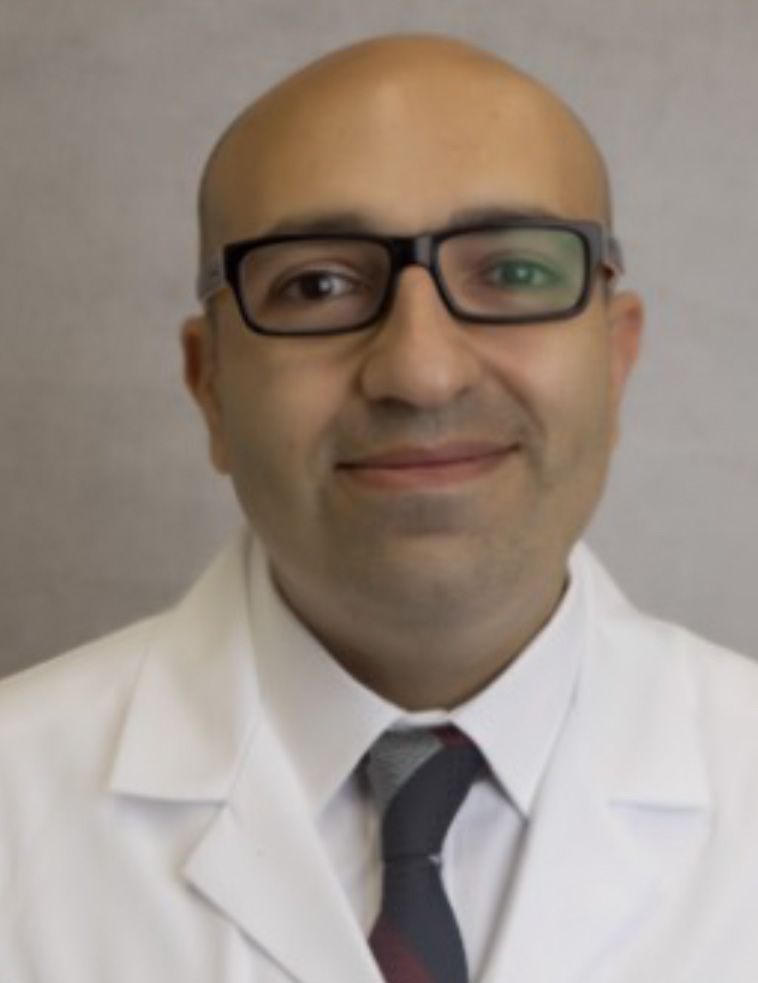
Walid L. Shaib
Medical Oncologist
Northwest Georgia Oncology Centers, P.C.
Marietta, GA
Walid L. Shaib, MD joined the cancer care team of Northwest Georgia Oncology Centers, P.C. (Ngoc) . A board certified medical oncologist, Dr. Shaib was an associate professor at Emory specializes in the treatment of gastrointestinal cancers. He led 3 investigator initiated trials one of which was a national trial and had a foundation grant.
Dr. Shaib earned his medical degree from the American University of Beirut. He completed his residency in internal medicine at Yale New Haven Hospital in New Haven, Connecticut. During his residency, he was Chief Resident from 2010 to 2011. He then went on to complete his fellowship in medical oncology at Winship Cancer Institute in Atlanta, Georgia where he was Chief Fellow in his final year and stayed on faculty as an associate professor with more than a 100 peer reviewed publications. He also holds a Juris master from Emory with concentration on health law.
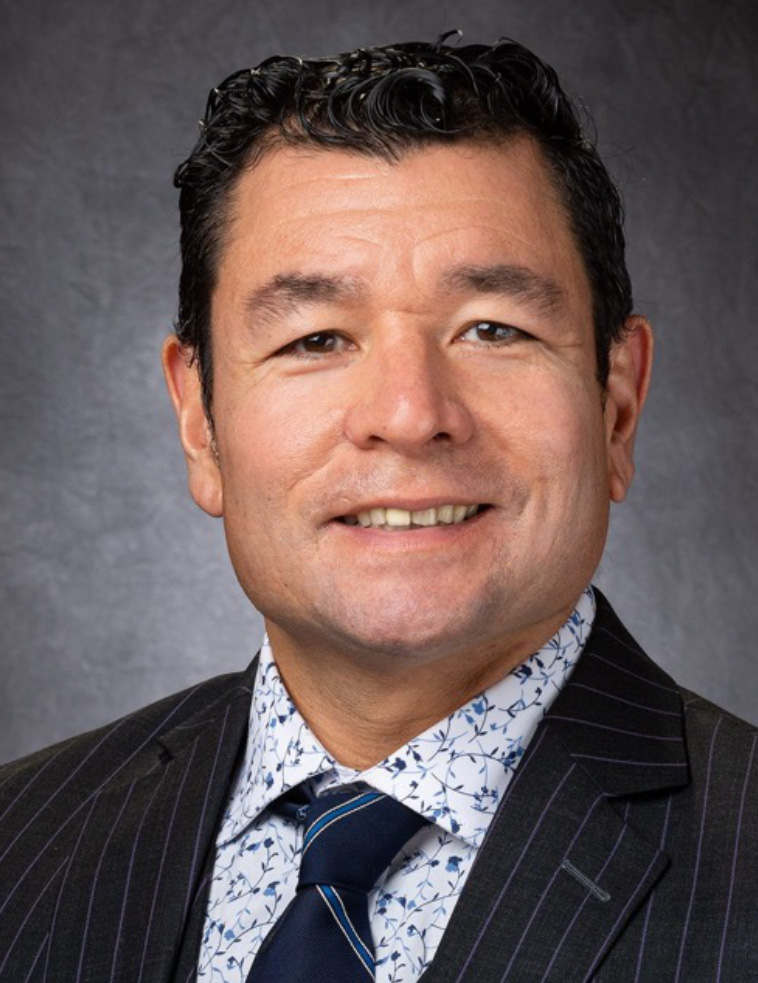
John Paul Y.C. Shen, MD
Assistant Professor
Department of Gastrointestinal Medical Oncology
The University of Texas MD Anderson Cancer Center
Houston, TX
Dr. John Paul Y.C. Shen is a physician-scientist with a scientific background in chemical biology and clinical training in Internal Medicine, Hematology, and Oncology. He is currently an Assistant Professor in the Department of Gastrointestinal Medical Oncology at the University of Texas MD Anderson Cancer Center with a clinical practice focused on colon and appendix cancers. His long-term research goal is to better understand the cancer genome, and to leverage that understanding to better the delivery of chemotherapy. His immediate research goals include the discover of new synthetic lethal genetic relationships as a means to both repurpose already FDA approved drugs and also identify new chemotherapeutic drug targets. He is actively involved in several projects to identify genomic biomarkers to predict what specific patients will response to a given therapy. His research builds on my prior training in chemical biology and high-throughput screening, functional genomics and the creation of genetic interaction networks, as well as clinical oncology.
After completing medical school at Washington University, he matched into a combined Internal Medicine residency and Hematology-Oncology fellowship program at UCSD as part of the Physician-Scientist pathway. During the research portion of my fellowship, he joined the laboratory of Dr. Trey Ideker, an internationally recognized leader in the field of network and systems biology. The Ideker lab specializes in utilizing knowledge of network relationships to draw biological conclusions from large datasets as well as performing high-throughput genetic interaction experiments in both human and model organism systems.
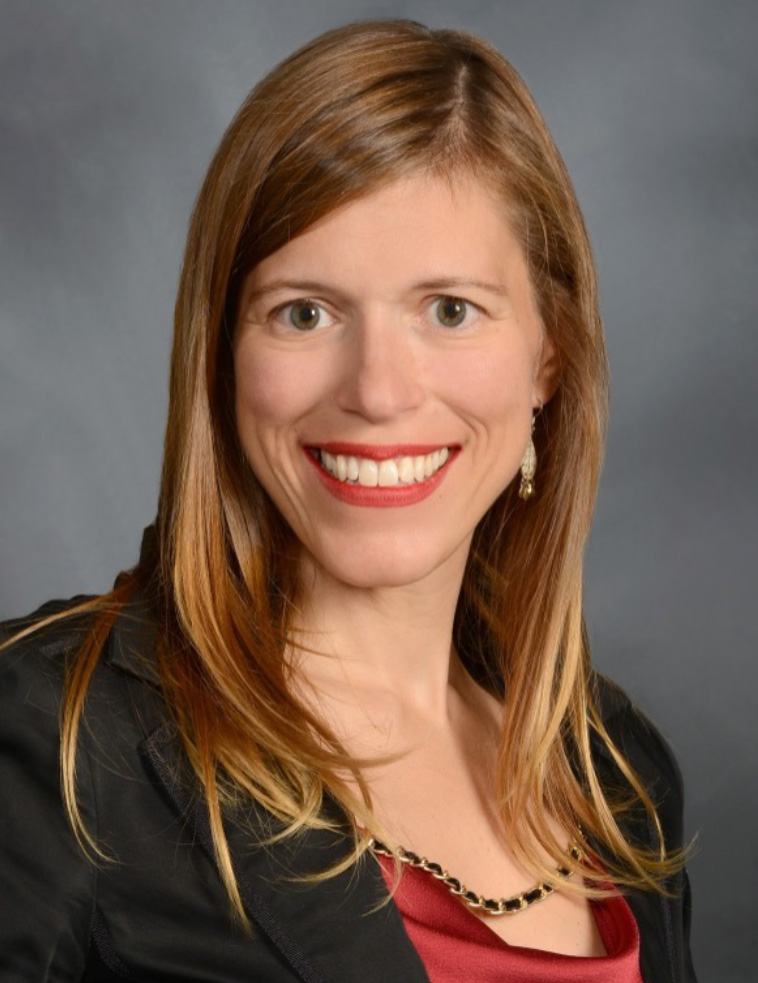
Despina Siolas, MD, PhD
Assistant Professor of Medicine
Weill Cornell Medical College, Cornell University
New York, NY
Dr. Despina Siolas received her Bachelor of Science with summa cum laude honors from St. John’s University. She attended medical school at Stony Brook University, where she was awarded the prestigious E-Trade Financial Scholarship from the Hellenic Medical Society of New York. In addition to her MD degree, Dr. Siolasis the recipient of a Doctor of Philosophy in Genetics from the State University of New York at Stony Brook for studies she conducted in the lab of Greg Hannon PhD, Howard Hughes Medical Institute Professor, at Cold Spring Harbor Laboratory. She completed her internal medicine residency training and hematology/oncology fellowship at NYU Langone Health. In addition to treating patients, Dr. Siolas conducts research on cancer genes that influence the immune microenvironment using preclinical models of pancreatic cancer and colon cancer. She has authored numerous publications and has received a prestigious Mentored Clinical Scientist Research Career Development Award (K08) from the National Institute of Health. She is a member of the American Society for Clinical Oncology, the American Association for Cancer Research, and American Medical Association, and Hellenic Medical Society.
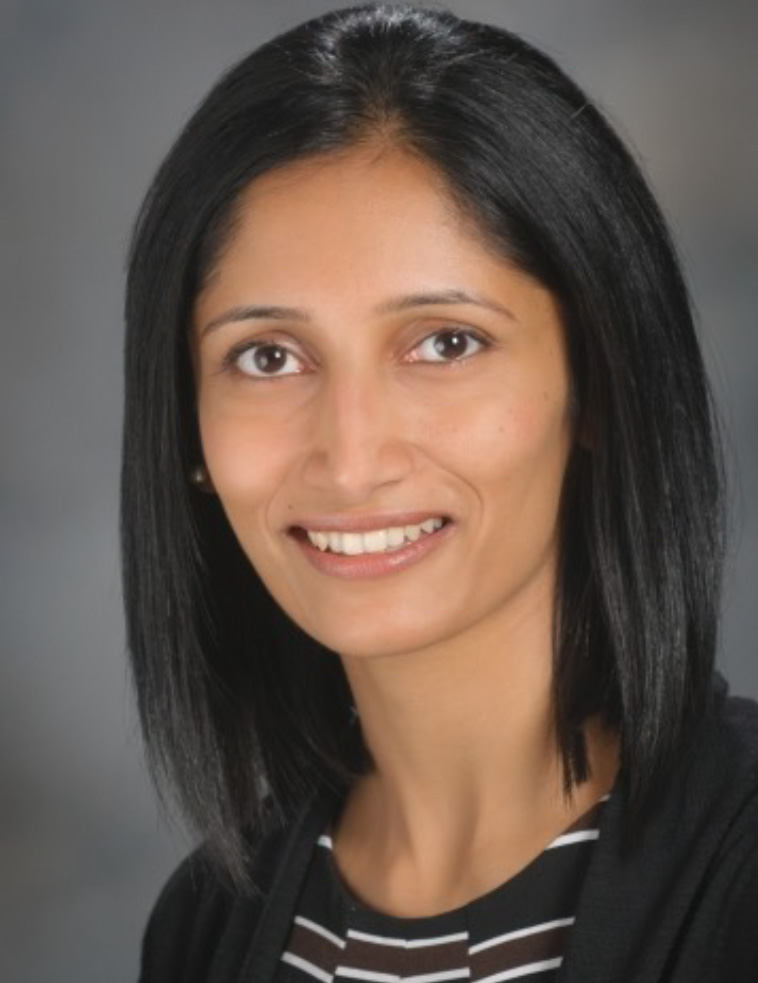
Neeta Somaiah, MD
Professor, Department of Sarcoma Medical Oncology
Department Chair, Department of Sarcoma Medical Oncology, Division of Cancer Medicine
The University of Texas MD Anderson Cancer Center
Houston, TX
Dr. Neeta Somaiah is a Professor in the Department of Sarcoma Medical Oncology at The University of Texas MD Anderson Cancer Center. She received her medical degree from Maulana Azad Medical College in New Delhi, India and has trained at St. John’s Episcopal in New York, Drexel University Hospital and Fox Chase Cancer Center in Philadelphia, prior to joining MD Anderson Cancer Center.
Dr. Somaiah joined MD Anderson Cancer Center in 2012 . She has over 16 years of sarcoma and clinical research experience. She is board certified in Medical Oncology. Her primary clinical and research focus is soft tissue sarcomas, specifically liposarcomas and GIST. She currently serves as the Principal Investigator of three investigator-initiated trials and nine cooperative group and industry-sponsored clinical trials at MD Anderson Cancer Center and has in depth knowledge with extensive experience in the design and execution of clinical trials. She also has multiple ongoing collaborations for translational research, both retrospective and prospective, that help improve the understanding of these rare group of diseases and explore the role of immunotherapy as a therapeutic avenue. Dr. Somaiah has been presented many honors for her expertise and contributions to science, including an Exceptional Women in Medicine award and is among the top 1% providers nationally (CG-CAHPS Patient Surveys).
Jonathan Strosberg, MD
Professor
Moffitt Cancer Center
Tampa, FL
Dr. Jonathan Strosberg, MD, is a professor in the Department of Gastrointestinal Oncology at the Moffitt Cancer Center in Tampa, FL, specializing in the management of neuroendocrine malignancies. He is also section head of the Neuroendocrine Tumor Division and chair of the Gastrointestinal Department Research Program at the Moffitt Cancer Center.
Dr Strosberg has published more than 200 articles and book chapters on the diagnosis and management of neuroendocrine malignancies, including first-author publications in The New England Journal of Medicine, the Journal of Clinical Oncology and The Lancet Oncology.
He has served as president of the North American Neuroendocrine Tumor Society, and he serves on the National Comprehensive Cancer Network Neuroendocrine Guidelines Committee and on the National Cancer Institute Neuroendocrine Tumor Task Force.
Kit W. Tam, MD
Associate Professor
UC Davis Health
Sacramento, CA
Dr. Kit Tam is an Associate Professor at UC Davis Comprehensive Cancer Center, an NCI-designated center. She is a medical oncologist who specializes in medical treatment of gastrointestinal malignancies including pancreatic, hepatocellular, biliary, esophageal, gastric, and colorectal cancers. She is actively involved in conducting clinical trials for these malignancies and has a particular interest in novel treatments and clinical outcomes in California.
Susanna Ulahannan, MD
Associate Professor
Director, Oklahoma TSET Phase 1 Program
The University of Oklahoma
Norman, OK
Dr. Susanna Ulahannan is an Associate Professor at the University of Oklahoma Health Sciences Center and serves as Director of the Oklahoma TSET Phase I Program. She specializes in gastrointestinal cancers and early-phase clinical trials. Dr. Ulahannan earned her Master of Medicine from Sahlgrenska Academy at the University of Gothenburg in Sweden, followed by residency training in Internal Medicine at the Johns Hopkins University/Sinai Hospital program in Baltimore, Maryland. She completed her fellowship in Hematology and Oncology at the National Cancer Institute/National Institutes of Health in Bethesda, Maryland. Through her clinical and research work, Dr. Ulahannan is dedicated to improving outcomes for patients with cancer by integrating cutting-edge clinical trials into patient care.
Jennifer B. Valerin, MD, PhD
Associate Clinical Professor
University of California, Irvine
Orange, CA
Dr. Jennifer B. Valerin is a board-certified UCI Health medical oncologist who specializes in gastrointestinal malignancies and hereditary pancreatic cancer.
Dr. Valerin earned her medical degree from George Washington University School of Medicine and Health Sciences in Washington, D.C. She completed a residency in internal medicine UCLA, followed by a fellowship in hematology/oncology at MD Anderson Cancer Center in Houston, Texas.
She later received a PhD in cancer biology from the University of Texas at Houston/MD Anderson Cancer Center, where her research was focused on resistance mechanisms to inhibitors of the enzyme poly ADP ribose polymerase (PARP) in hereditary pancreatic cancer.
Dr. Valerin’s research interests include gastrointestinal cancers, hereditary cancers, translational genomics and early-phase clinical trials. She is the author or co-author of numerous papers on studies of pancreatic and other cancers. She also received a Young Investigator Award from the American Society for Clinical Oncology (ASCO) and an award for her basic science research from the American Association for Cancer Research (AACR).
Michael G. White, MD, MSc, FACS
Vice Chair of Research, Colon & Rectal Surgery, Department of Colon & Rectal Surgery, Division of Surgery
Clinical Trials Co-Lead, Department of Platform for Innovative Microbiome and Translational Research
Assistant Professor, Department of Colon & Rectal Surgery
The University of Texas MD Anderson Cancer Center
Houston, TX
Dr. Michael G. White, MD, MSc, FACS is a surgical oncologist in the Department of Colon & Rectal Surgery at The University of Texas MD Anderson Cancer Center. His clinical practice includes the surgical management of patients with peritoneal metastases from colorectal cancers. While his research aims study the role tumoral bacteria play in the progression of colorectal cancer and a tumor’s response to chemotherapy and immunotherapies.
Jennifer Wu, MD
Director, Bellevue Cancer Center
Section Chief, Hematology Oncology
Bellevue Medical Center
Professor, Department of Medicine at NYU Grossman School of Medicine
New York, NY
Dr. Jennifer Wu graduated from Albert Einstein College of Medicine in New York, completed internship at Montefiore Medical Center and obtained Hematology Oncology Fellowship from NYU School of Medicine in 2006. She joined the faculty of NYU Perlmutter Cancer Center in 2006, is currently an Associate Professor of Medicine at NYU School of Medicine. Her interest is in GI Oncology, with a focus in immune oncology, biomarker directed therapy and clinical trial inclusion of minority patients.
Zachary Yeung, MD
Gastrointestinal Medical Oncologist
Banner MD Anderson Cancer Center
Sun City, AZ
Dr. Zachary Yeung is a board-certified medical oncologist specializing in gastrointestinal and neuroendocrine cancers. He completed his medical degree, internal medicine residency, and hematology/oncology fellowship at Baylor College of Medicine, where he developed a strong foundation in the management of complex malignancies. His clinical expertise includes colorectal, pancreatic, liver, esophageal, gastric, anal, and biliary tract cancers, as well as neuroendocrine tumors and rare endocrine neoplasms such as MEN1-associated tumors.Dr. Yeung is committed to delivering compassionate, personalized cancer care that empowers patients to make informed decisions throughout their treatment journey. His practice emphasizes evidence-based therapies, multidisciplinary collaboration, and individualized treatment planning to optimize outcomes and quality of life for patients facing gastrointestinal malignancies.
Kenneth H. Yu, MD
Associate Attending Physician
Memorial Sloan Kettering Cancer Center
New York, NY
Dr. Kenneth H. Yu is an Associate Attending Physician at Memorial Sloan Kettering Cancer Center, specializing in the treatment of pancreatic, hepatobiliary, and other gastrointestinal cancers. His clinical and research work is focused on improving outcomes for patients with pancreatic cancer, with particular emphasis on the discovery and implementation of biomarkers for early diagnosis and the development of more effective therapeutic strategies. Dr. Yu’s research program is supported by the National Cancer Institute/National Institutes of Health, the Lustgarten Foundation, and the Thompson Family Foundation. He earned his MD from Johns Hopkins University and an MSc from the University of Pennsylvania, where he also completed his residency in Internal Medicine and fellowship training in Hematology/Oncology at the Hospital of the University of Pennsylvania. Board certified in medical oncology, Dr. Yu integrates cutting-edge research with patient-centered care to advance the management of gastrointestinal malignancies.
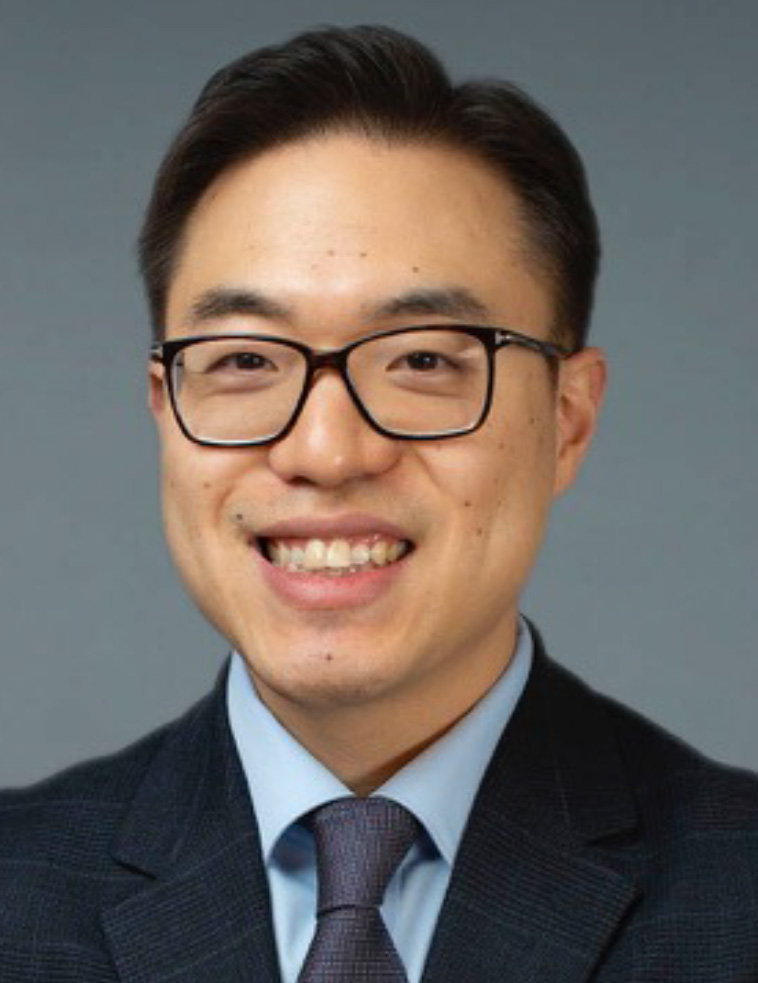
Peter Y. Yu, MD
Instructor
Maitra/Kimmelman Labs
NYU Langone Health
New York, NY
Peter Y. Yu, MD, is an Instructor in the Department of Medicine at NYU Grossman School of Medicine. He earned his medical degree from The Ohio State University and completed his residency at Case Western Reserve University/University Hospitals Cleveland Medical Center through the Harrington Physician-Scientist Pathway. Dr. Yu subsequently completed fellowship training at NYU Grossman School of Medicine in the Kimmelman Laboratory. His training reflects a strong foundation in academic medicine and physician-scientist research.
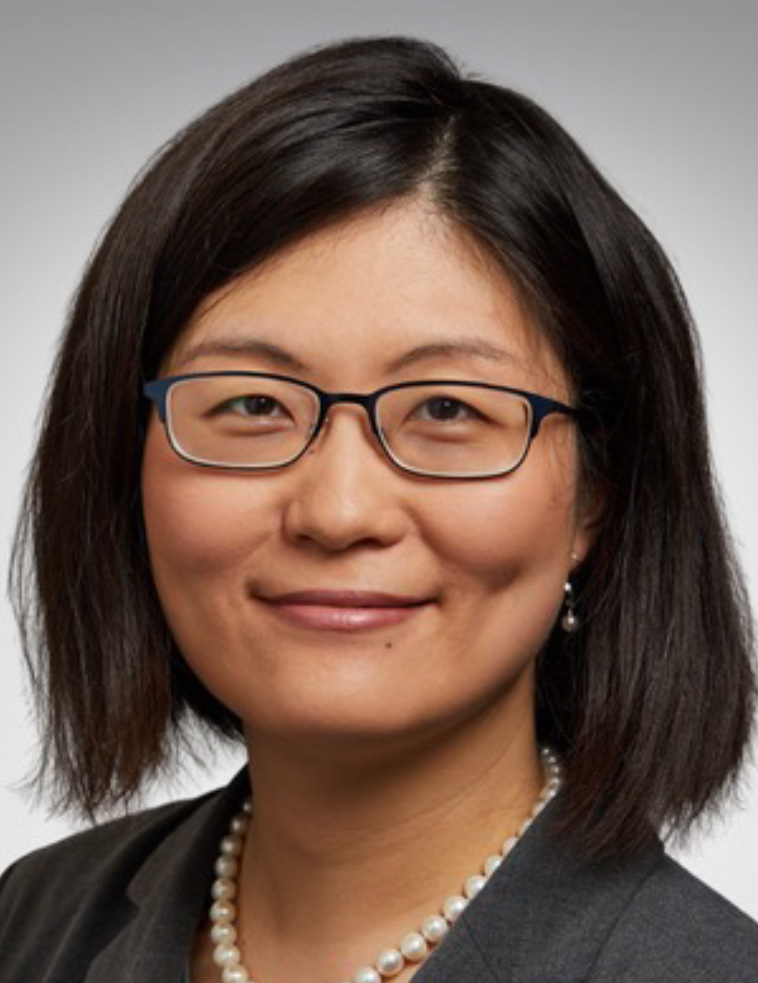
Janie Y. Zhang, MD
Assistant Professor of Medicine
University of Pittsburgh
Pittsburgh, PA
Dr. Janie Y. Zhang is an Assistant Professor of Medicine and a board-certified Gastrointestinal Medical Oncologist at the University of Pittsburgh and UPMC Hillman Cancer Center. She specializes in treating GI malignancies including colorectal, pancreatic, and gastric cancers, and conducts translational research on emerging cancer therapeutics.
She graduated with her MD from the University of Pittsburgh School of Medicine in 2015, completed her internal medicine residency at the University of Michigan, and underwent a hematology/oncology fellowship at Yale University.
Her clinical research interest is in developing novel therapeutic strategies for advanced colorectal cancer through the development of industry-sponsored and investigator-initiated clinical trials. Her translational research focuses on understanding the tumor immune microenvironment of colorectal cancer with the goal of broadening the use of immuno-stimulatory therapies in microsatellite stable colorectal cancer.
Her clinical interest is in treating patients with gastrointestinal malignancies, including esophageal cancer, gastric cancer, liver cancer, colorectal cancer, and anal cancer. She aim to provide compassionate, personalized medical care embedded in a multidisciplinary team. She have a particular interest in connecting patients with cutting-edge cancer treatments and clinical trials that will inform the future of oncologic care.
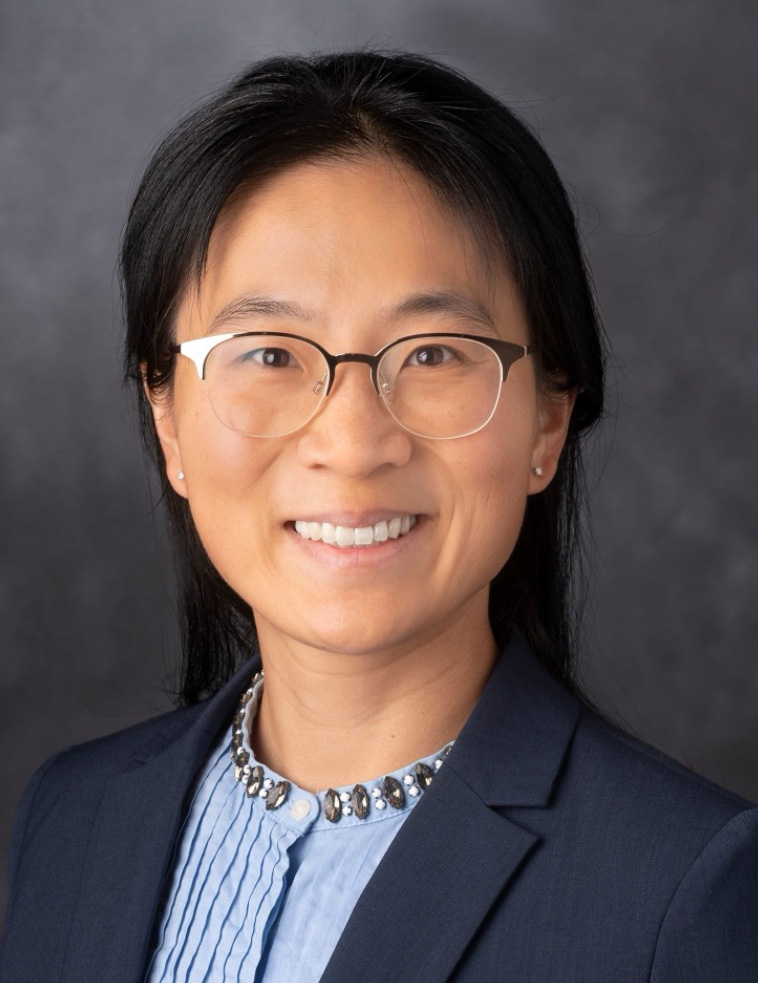
Huili Zhu, MD
Assistant Professor
Clinical Faculty Appointment
GI Medical Oncology
The University of Texas MD Anderson Cancer Center
Houston, Texas
Huili Zhu, MD is board certified in internal medicine and board certified in medical oncology. Dr. Zhu graduated from medical school at Geisel School of Medicine at Dartmouth. She completed her internal medicine residency at the Icahn School of Medicine at Mount Sinai and hematology and oncology fellowship at Baylor College of Medicine, where she served as chief fellow. Currently, she is an assistant professor in the GI Medical Oncology Department at MD Anderson Cancer Center. Prior research experiences include sequencing circulating tumor cells in pancreatic cancer to pinpoint drivers of metastasis, identifying key pathogenic germline variants in individuals with a family history of pancreatic cancer, and performing germline interaction studies to identify patients at high risk for pancreatic cancer. Her recent achievements include being award the CPRIT scholar as a fellow investigator and the 2024 ASCO Conquer Cancer Young Investigator Award. Dr. Zhu hopes to delivery patient-centered care with continued dedication to genomics research in gastrointestinal cancers.